
June marks the perfect time to explore America’s natural wonders, as warmer temperatures and longer days invite outdoor enthusiasts to embark on unforgettable adventures. From towering mountain peaks to lush forests and pristine coastlines, the nation’s national parks offer a diverse array of landscapes and experiences for summer travelers. In this comprehensive guide, we’ll explore the 15 best US national parks to visit in June, highlighting their unique features, activities, and tips for making the most of your trip.
Why Visit National Parks in June
June is an ideal month for national park exploration, offering a sweet spot between the lingering chill of spring and the peak crowds of midsummer. This transitional period brings several advantages for visitors seeking to immerse themselves in nature’s splendor.
Weather Conditions
As summer begins to take hold, June typically brings mild to warm temperatures to many national parks across the country. This pleasant weather creates ideal conditions for outdoor activities, from hiking and camping to wildlife viewing and scenic drives. In mountainous regions, the last remnants of winter snow often melt away, revealing lush alpine meadows and opening up high-elevation trails for exploration.
Accessibility
One of the primary benefits of visiting national parks in June is improved accessibility. Many parks that experience winter closures or limited access due to snow and ice become fully operational during this month. Roads that were previously impassable open up, allowing visitors to reach remote areas and scenic viewpoints that may have been inaccessible earlier in the year.
For instance, in Yellowstone National Park, all roads typically open by early June, providing access to iconic attractions like Old Faithful and the Grand Canyon of the Yellowstone. Similarly, the famous Going-to-the-Sun Road in Glacier National Park often becomes fully accessible by mid to late June, offering breathtaking views of the park’s rugged landscape.
Natural Phenomena
June is a month of natural wonders in many national parks. Waterfalls reach their peak flow as snowmelt cascades down mountainsides, creating spectacular displays of power and beauty. In Yosemite National Park, for example, visitors can witness the awe-inspiring sight of Yosemite Falls at its fullest, with water thundering over 2,425 feet to the valley floor.
Wildflowers begin to carpet meadows and hillsides in vibrant hues, transforming landscapes into living works of art. Alpine regions, in particular, come alive with colorful blooms as the snow recedes. In Rocky Mountain National Park, visitors can marvel at the delicate beauty of alpine forget-me-nots, sky pilots, and mountain ball cacti dotting the tundra.
Wildlife activity also increases in June as animals emerge from winter hibernation or return from migration. This makes it an excellent time for wildlife enthusiasts to observe and photograph various species in their natural habitats.
Top National Parks to Visit in June
Now that we’ve explored the benefits of June travel, let’s dive into the 15 best national parks to visit during this spectacular month. Each park offers unique experiences and natural wonders that make them particularly appealing for summer exploration.
1. Rocky Mountain National Park
Nestled in the heart of Colorado’s Front Range, Rocky Mountain National Park is a paradise for outdoor enthusiasts and nature lovers alike. June marks the beginning of the park’s prime season, with warm days, cool nights, and an abundance of wildlife activity.
As the snow melts away from the higher elevations, visitors can access the park’s extensive network of hiking trails, including the popular Bear Lake area. The famous Trail Ridge Road, which reaches an elevation of 12,183 feet, typically opens by late May or early June, offering breathtaking panoramic views of the surrounding peaks and valleys.
June is also an excellent time for wildlife viewing in Rocky Mountain National Park. Elk herds can be spotted grazing in the meadows, while marmots and pikas scurry among the rocks at higher elevations. Lucky visitors might even catch a glimpse of bighorn sheep or moose.
In 2024, Rocky Mountain National Park attracted 4,154,349 visitors, making it one of the most popular national parks in the country. To avoid crowds, consider visiting early in the morning or exploring some of the park’s less-traveled trails.
2. Grand Teton National Park
Located in northwestern Wyoming, Grand Teton National Park offers a stunning combination of jagged mountain peaks, pristine lakes, and diverse wildlife. June is an ideal time to visit as the snow-capped Teton Range provides a dramatic backdrop to the park’s lush valleys and meadows.
As the third most visited national park in 2024, with 4,919,163 visits, Grand Teton can get busy during the summer months. However, June offers a sweet spot before the peak crowds arrive in July and August.
Hiking enthusiasts will find a wealth of trails to explore, from easy lakeside walks to challenging mountain ascents. The Cascade Canyon Trail, which offers spectacular views of the Teton Range and hidden alpine lakes, is particularly beautiful in June as wildflowers begin to bloom along the path.
Wildlife viewing opportunities abound in June, with elk, bison, and moose frequently spotted in the park’s meadows and forests. The Snake River, which winds through the park, provides excellent opportunities for fishing and scenic float trips.
3. Yellowstone National Park
As America’s first national park, Yellowstone holds a special place in the hearts of nature lovers and adventure seekers. June marks the beginning of the park’s busy season, but it’s still possible to find solitude and wonder amidst its vast landscapes and unique geothermal features.
In 2024, Yellowstone National Park recorded 4,744,353 visits, highlighting its enduring popularity. June visitors can enjoy the park’s famous geysers, hot springs, and mud pots without the intense crowds of midsummer.
The park’s diverse ecosystems come alive in June, with wildflowers blooming in the meadows and wildlife becoming more active. Bison calves, born in April and May, can be seen frolicking alongside their mothers, while grizzly bears and wolves may be spotted in the Lamar and Hayden Valleys.
Hiking trails throughout the park offer varying levels of difficulty, from easy boardwalk strolls around geyser basins to more challenging backcountry routes. The Grand Canyon of the Yellowstone, with its colorful rock formations and thundering waterfalls, is particularly impressive in June when snowmelt increases the water flow.
4. Mount Rainier National Park
Dominating the landscape of western Washington, Mount Rainier National Park offers visitors a chance to explore glaciers, subalpine meadows, and ancient forests. June marks the beginning of the park’s most accessible season, as snow begins to melt from lower elevations and wildflowers start to bloom.
The Paradise area, famous for its wildflower meadows, begins to show its first blooms in late June. Visitors can enjoy hikes through fields of lupines, paintbrush, and avalanche lilies, with the majestic snow-capped peak of Mount Rainier as a backdrop.
For those seeking adventure, June is an excellent time for mountaineering on Mount Rainier. While climbing to the summit requires technical skills and proper equipment, there are plenty of less challenging hikes that offer stunning views of the mountain and surrounding landscapes.
Wildlife enthusiasts can keep an eye out for black bears, elk, and mountain goats, which become more active as the weather warms. The park’s numerous waterfalls, fed by melting snow and glaciers, are particularly impressive during this time of year.
5. Olympic National Park
Encompassing nearly a million acres of Washington’s Olympic Peninsula, Olympic National Park is a diverse wonderland of rugged coastlines, temperate rainforests, and alpine meadows. June offers visitors a chance to experience the park’s varied ecosystems without the crowds of peak summer.
The Hoh Rain Forest, one of the largest temperate rainforests in the U.S., is particularly lush in June. Visitors can wander through groves of moss-draped trees and alongside crystal-clear streams, marveling at the incredible biodiversity of this unique ecosystem.
Along the park’s 73 miles of wild coastline, tide pools teem with life, and visitors might spot migrating gray whales offshore. The beaches are less crowded in June compared to July and August, offering a more serene experience for those seeking to connect with nature.
In the park’s mountainous regions, snow typically begins to melt from the high country trails in late June, opening up access to stunning alpine meadows and panoramic views of the Olympic Range.
6. Kenai Fjords National Park
For those willing to venture north, Kenai Fjords National Park in Alaska offers a unique and unforgettable June experience. As one of the state’s most accessible national parks, Kenai Fjords showcases the raw beauty of Alaska’s coastal ecosystems.
June marks the beginning of the park’s peak season, with long days providing ample time for exploration. Boat tours of the fjords offer chances to see calving glaciers, breaching whales, and an abundance of marine life, including sea otters, seals, and puffins.
On land, visitors can hike to the edge of the Harding Icefield, a vast expanse of ice that feeds the park’s many glaciers. The trail to the icefield is typically snow-free by late June, offering spectacular views of the surrounding mountains and glacial valleys.
Wildlife viewing opportunities abound in June, with black bears foraging along the coastline and mountain goats navigating steep cliffs. The long daylight hours of the Alaskan summer allow for extended exploration and photography opportunities.
7. Denali National Park
Denali National Park, home to North America’s highest peak, offers an unparalleled wilderness experience for June visitors. As highlighted by Adventures of A+K, the park benefits from nearly 24 hours of daylight during this month, providing ample time for exploration and wildlife viewing.
June marks the beginning of the main visitor season in Denali, with most park facilities and services fully operational. The park’s single road opens to private vehicles for the first 15 miles, while shuttle buses provide access to the park’s interior, offering chances to spot caribou, moose, Dall sheep, and even grizzly bears.
Hiking opportunities range from easy nature walks near the park entrance to challenging backcountry adventures. The park’s vast tundra begins to come alive with wildflowers in June, creating a colorful carpet against the backdrop of snow-capped mountains.
While the weather can be unpredictable, June generally offers milder temperatures and fewer mosquitoes compared to later in the summer. Visitors should be prepared for rapidly changing conditions and dress in layers.
8. Crater Lake National Park
Oregon’s Crater Lake National Park, centered around the deepest lake in the United States, is a geological wonder that comes alive in June. As the snow begins to melt, more of the park’s facilities and roads become accessible, allowing visitors to fully appreciate the lake’s stunning blue waters and surrounding forests.
June visitors can enjoy hiking along the rim of the caldera, offering panoramic views of the lake and the Cascade Mountains beyond. The Cleetwood Cove Trail, which provides the only access to the lake shore, typically opens in late June, allowing visitors to touch the crystal-clear waters and even take a chilly swim.
Wildlife viewing opportunities increase in June, with marmots, pikas, and a variety of bird species becoming more active. Lucky visitors might spot black bears foraging in the park’s meadows or forests.
While some high-elevation trails may still have snow in early June, the month offers a perfect balance of accessibility and tranquility before the peak crowds arrive in July and August.
9. Acadia National Park
Perched on the rugged coast of Maine, Acadia National Park offers a unique blend of mountain and maritime landscapes. June brings warmer temperatures and longer days, making it an ideal time to explore the park’s diverse ecosystems.
Visitors can hike to the top of Cadillac Mountain, the highest point on the North Atlantic seaboard, for breathtaking views of the surrounding islands and ocean. The park’s network of historic carriage roads provides excellent opportunities for cycling and horseback riding through forests and alongside pristine lakes.
June is also a great time for wildlife viewing in Acadia. Visitors might spot white-tailed deer, red foxes, or even moose in the park’s forested areas. Along the coast, tide pools reveal a fascinating array of marine life, and whale watching tours offer chances to see humpback and finback whales as they return to their summer feeding grounds.
The park’s famous Jordan Pond House opens for the season in May, allowing June visitors to enjoy the traditional tea and popovers with a stunning view of the Bubble Mountains.
10. New River Gorge National Park
As one of the newest additions to the national park system, New River Gorge in West Virginia offers a unique blend of natural beauty and outdoor adventure. June is an excellent time to visit, with warm temperatures perfect for exploring the park’s diverse landscapes.
The New River, despite its name, is one of the oldest rivers in North America, carving a spectacular gorge through the Appalachian Mountains. June visitors can enjoy world-class whitewater rafting, with options ranging from gentle float trips to adrenaline-pumping rapids.
Rock climbing enthusiasts will find over 1,400 established rock climbs in the park, with June offering ideal conditions for scaling the gorge’s sandstone cliffs. For those who prefer to keep their feet on the ground, the park boasts over 100 miles of hiking trails, ranging from easy walks to challenging backcountry routes.
The iconic New River Gorge Bridge, one of the longest single-span arch bridges in the world, offers spectacular views of the gorge. Visitors can learn about the area’s rich coal mining history at the Thurmond Historic District, which comes alive with ranger-led programs in the summer months.
11. Grand Canyon National Park
No list of national parks would be complete without mentioning the Grand Canyon, one of the world’s most awe-inspiring natural wonders. June offers a sweet spot for visiting, with warm temperatures at the rim and before the extreme heat settles into the canyon depths.
As the third most visited national park in 2024, with 4,919,163 visits, the Grand Canyon can get busy, but June offers a chance to experience its majesty before the peak crowds of July and August. The North Rim, which opens in mid-May, is less crowded and offers a different perspective on the canyon’s vastness.
Hiking opportunities abound, from rim trails offering spectacular vistas to challenging descents into the canyon itself. June hikers should be prepared for hot temperatures at the bottom of the canyon and carry plenty of water. For a unique perspective, consider a mule ride along the rim or into the canyon.
Sunrise and sunset are particularly magical times at the Grand Canyon, with the changing light painting the rock layers in an ever-shifting palette of colors. June’s long days provide ample time for photography and contemplation of the canyon’s immense scale and geological history.
12. Yosemite National Park
Yosemite National Park, with its iconic granite cliffs, thundering waterfalls, and ancient sequoia groves, is a paradise for nature lovers and outdoor enthusiasts. June is an excellent time to visit, as highlighted by Earth Trekkers, with the park’s famous waterfalls at their peak flow and the high country becoming accessible.
The park’s waterfalls, fed by melting snow, are particularly impressive in June. Yosemite Falls, North America’s tallest waterfall, reaches its maximum flow, creating a spectacular display visible from many points in Yosemite Valley. Vernal and Nevada Falls, accessible via the popular Mist Trail, offer refreshing spray to hikers brave enough to approach their bases.
June also marks the beginning of the climbing season on Yosemite’s famous big walls. While scaling El Capitan or Half Dome requires expert skills, visitors can watch climbers through binoculars or learn about the park’s climbing history at the Yosemite Climbing Museum.
For those seeking a less vertical adventure, the park’s meadows burst into bloom in June, with wildflowers carpeting the valley floor and high country alike. The Mariposa Grove of Giant Sequoias, home to some of the largest trees on Earth, is fully accessible by June, offering a chance to walk among these ancient giants.
13. Theodore Roosevelt National Park
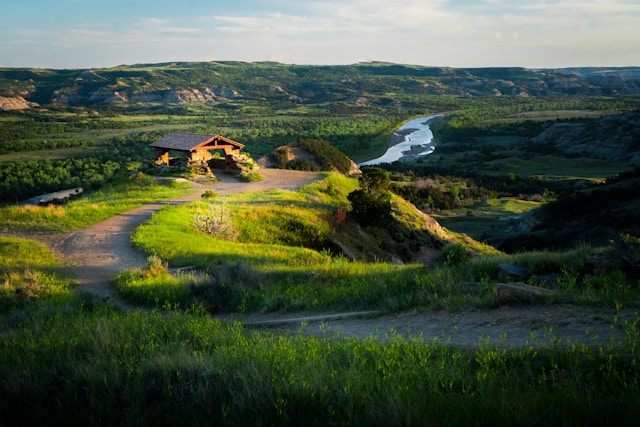
Located in the badlands of North Dakota, Theodore Roosevelt National Park offers a unique landscape of colorful rock formations, grassy prairies, and winding rivers. June brings pleasant temperatures and blooming wildflowers, making it an ideal time to explore this often-overlooked gem.
The park is divided into three units, each offering a different perspective on the badlands ecosystem. The South Unit, the most visited, features a scenic loop drive with numerous pullouts offering views of the Little Missouri River and surrounding buttes. June visitors might spot bison, elk, and prairie dogs in the grasslands. The North Unit, less crowded but equally spectacular, offers challenging hikes with rewarding views of the badlands landscape.
14. Channel Islands National Park, California
June offers ideal conditions for exploring the unique ecosystems of Channel Islands National Park. With mild temperatures and typically clear skies, it’s a perfect time for hiking, kayaking, and wildlife viewing on these isolated islands off the coast of Southern California.
Visitors can take boat trips to spot whales and dolphins, explore sea caves by kayak, or hike to scenic overlooks for panoramic ocean views. The islands are home to numerous endemic species found nowhere else on Earth, making it a paradise for nature enthusiasts.
Access to the Channel Islands requires a boat or plane trip, which helps limit crowds and preserve the park’s pristine environment.
15. Mesa Verde National Park, Colorado
June is an excellent time to explore the ancient cliff dwellings and archaeological sites of Mesa Verde National Park. With warm, dry weather, conditions are ideal for touring the park’s famous Ancestral Puebloan ruins.
Visitors can take guided tours of cliff dwellings like Cliff Palace and Balcony House, hike to scenic overlooks, or explore the park’s museum to learn about the area’s rich cultural history. June temperatures are generally comfortable, with average highs in the 80s Fahrenheit (27-32°C).
Mesa Verde receives fewer visitors than some of the more famous parks, offering a more relaxed experience and the opportunity to deeply engage with its unique cultural and natural resources.
Tips for Visiting National Parks in Summer
Plan Ahead and Make Reservations
Many popular national parks have implemented reservation systems or timed entry permits to manage crowds during peak seasons. Research the specific requirements for each park you plan to visit and make reservations well in advance. This is especially important for campgrounds and popular activities like backcountry permits or guided tours.
Start Early or Visit Later in the Day
To avoid the largest crowds and the heat of the day, plan to start your activities early in the morning. Not only will you have a better chance of finding parking and enjoying popular trails with fewer people, but you’ll also increase your chances of spotting wildlife, which is often more active in the cooler morning hours. Alternatively, consider visiting popular areas later in the afternoon or early evening when day-trippers have started to leave.
Stay Hydrated and Protect Yourself from the Sun
Summer temperatures can soar in many national parks, especially at lower elevations or in desert environments. Always carry plenty of water, even on short hikes, and drink regularly to stay hydrated. Wear sunscreen, a hat, and sunglasses to protect yourself from the intense sun, particularly at higher elevations where UV exposure can be more severe.
Be Prepared for Changing Weather
Mountain and coastal environments can experience rapid weather changes, even in summer. Always check the forecast before heading out and be prepared with layers of clothing to adapt to changing conditions. In some parks, afternoon thunderstorms are common, so plan accordingly and be ready to seek shelter if necessary.
Respect Wildlife and Follow Park Rules
Remember that you are a visitor in the natural habitat of many species. Always maintain a safe distance from wildlife, never feed animals, and properly store food to avoid attracting bears and other creatures to campsites. Follow all park rules and guidelines, which are designed to protect both visitors and the natural environment.
Use Shuttle Systems Where Available
Many popular parks offer shuttle systems to reduce traffic congestion and parking issues. Take advantage of these services where available. They often provide convenient access to trailheads and viewpoints without the stress of finding parking.
Leave No Trace
Practice Leave No Trace principles to help preserve the natural beauty of our national parks for future generations. This includes packing out all trash, staying on designated trails, and leaving natural objects and cultural artifacts where you find them.
Preparing for Your National Park Visit in June
What to Pack
- Layered clothing to adapt to changing temperatures
- Sturdy hiking boots or comfortable walking shoes
- Sun protection (hat, sunglasses, sunscreen)
- Insect repellent
- Reusable water bottles and hydration systems
- First aid kit
- Map and compass (don’t rely solely on electronic devices)
- Binoculars for wildlife viewing
- Camera to capture memories
- Daypack for carrying essentials on hikes