
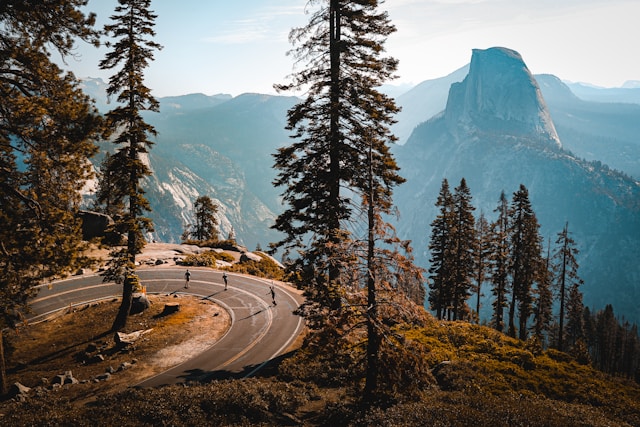
Yosemite National Park is one of America’s most stunning natural destinations, drawing in adventurers and nature lovers with its breathtaking scenery and diverse wildlife.
By August 2025, nearly three million people had already visited Yosemite, making it more popular than ever. Planning ahead is important to get the most out of your trip. This 2-day guide highlights the park’s best sights, from waterfalls to scenic viewpoints, so you can make the most of your visit.
Day 1: Roaring Waterfalls & Valley Vistas
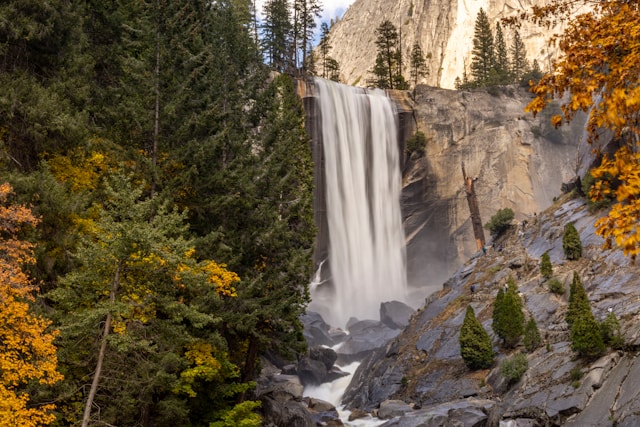
Sunrise at Valley View
Start your Yosemite trip by watching the sunrise at Valley View. As the sun comes up, you can see El Capitan and Cathedral Rocks reflected in the calm Merced River.
Hiking the Mist Trail to Vernal & Nevada Falls
After breakfast, try the Mist Trail, one of Yosemite’s most popular hikes. This challenging hike leads to two impressive waterfalls. The trail starts with a moderate climb to a footbridge, where you first see Vernal Fall. As you go further, you’ll notice the cool mist from the waterfall. On sunny days, you might even spot a rainbow in the spray.
If you have more time and energy, continue to Nevada Fall. This 594-foot waterfall has a strong flow over a granite cliff. The views from the top are impressive, showing much of Yosemite Valley. Be sure to take breaks, drink water, and be careful on the trail.
Easy Hike to Lower Yosemite Falls
After finishing the Mist Trail, enjoy an easier walk to Lower Yosemite Falls. This accessible path takes you to the base of the tallest waterfall in North America. Yosemite Falls is 2,425 feet high, and the lower part drops 320 feet. The waterfall is especially strong in late spring and early summer when the snow melts.
Take time to feel the mist on your face and listen to the roar of the falls. The short trail also offers excellent views of Upper Yosemite Fall and the middle cascades, providing a comprehensive look at this natural wonder.
Exploring & Dining at Yosemite Village
In the afternoon, head to Yosemite Village. Here, you can get food, learn about the park’s history, and buy supplies. The Yosemite Museum shares information about the area’s Native American history, and the Ansel Adams Gallery displays photos of Yosemite.
For lunch, you can eat at the historic Ahwahnee Hotel, which has a dining room with large windows looking out at the cliffs. If you want something quick, the Village Store has grab-and-go meals you can take for a picnic in a nearby meadow.
Sunset at Tunnel View
As the day winds down, head to Tunnel View for what many consider the quintessential Yosemite vista. This iconic viewpoint offers a panoramic sweep of Yosemite Valley, framed by El Capitan, Half Dome, and Bridalveil Fall. As the setting sun paints the granite walls in warm hues, you’ll understand why this view has captivated visitors and artists for generations.
Photographer Ansel Adams took famous photos of this view. As the light changes, you can see different details on the rock faces. It’s a good time to think about your day and enjoy the scenery.
Stargazing
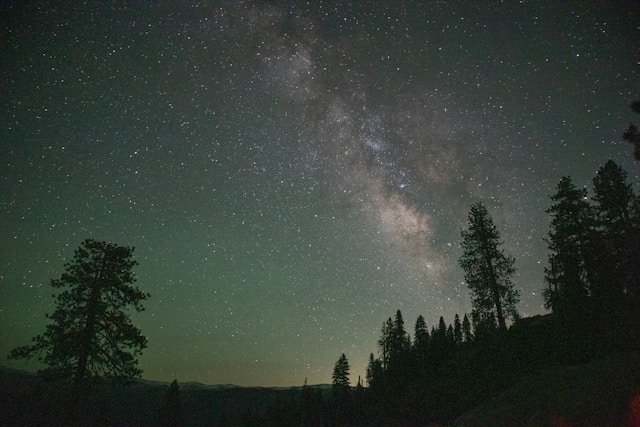
If you still have energy, end your day with stargazing. Yosemite has clear skies and little light pollution, making it great for seeing stars. Find a spot away from lights, relax, and look up at the Milky Way. Seeing the stars reflected in the Merced River is a special experience.
Day 2: Panoramic Overlooks & Clifftop Trails
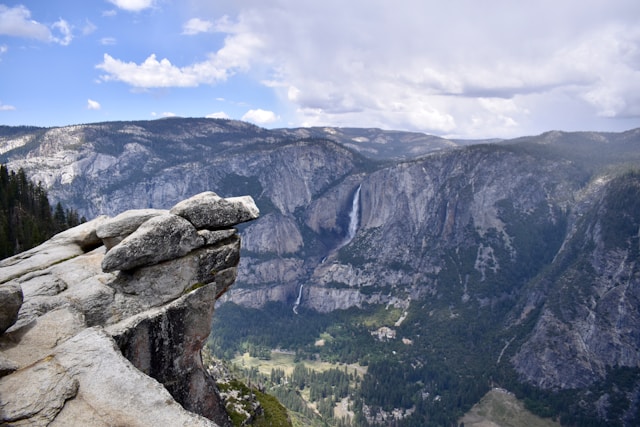
Morning Views from Glacier Point
Begin your second day by driving to Glacier Point. This well-known overlook gives you a wide view of Yosemite Valley, Half Dome, and the High Sierra. Arriving early helps you avoid crowds and lets you see the sunrise over the landscape.
Take time to explore the area around the viewpoint. Interpretive signs provide information about the geology and history of the park, helping you appreciate the forces that shaped this incredible landscape over millions of years. The sight of Half Dome from this vantage point is particularly striking, its sheer face rising dramatically above the valley floor.
Quick Stop at Washburn Point
Just a short drive from Glacier Point, Washburn Point offers a different perspective on the same incredible scenery. From here, you get a profile view of Half Dome that reveals its true shape more clearly than from the valley floor. You’ll also see the winding path of the Mist Trail you conquered yesterday, giving you a bird’s-eye view of your achievement.
This stop lets you see how the park’s landmarks are arranged. You can also notice the different types of plants and landscapes from the valley up to the higher areas.
Pohono Loop Trail to Sentinel Dome, Roosevelt Point & Taft Point
For a memorable hike with great views and fewer people, try the Pohono Loop Trail. This challenging hike leads to several of Yosemite’s best viewpoints, each with a different view of the park.
Begin by hiking up to Sentinel Dome. From the top, you get a 360-degree view of the park and can see the well-known “dead tree” from Ansel Adams’ photos. The climb is not too hard and gives you views from El Capitan to Half Dome and the High Sierra.
Next, follow the trail to Roosevelt Point, named after President Theodore Roosevelt, who camped here with John Muir in 1903. This spot is quieter and gives you different views of well-known landmarks.
The last stop on the loop is Taft Point, where you stand at the edge of a high cliff and can look straight down to the valley. There are also deep cracks in the rock near the point.
Be sure to stay on marked trails, keep away from cliff edges, and bring enough water and snacks for this long hike. Many visitors enjoy this trail for its different views and quieter atmosphere.
Wildflowers at Summit Meadow
As you descend from the high country, take a moment to explore Summit Meadow. Depending on the season, this area can be a riot of colorful wildflowers set against the backdrop of Yosemite’s granite peaks. The contrast between delicate blooms and massive rock formations perfectly encapsulates the diverse beauty of the park.
Spring and early summer are typically the best times for wildflower viewing, with species like lupine, paintbrush, and corn lilies creating a natural garden. This peaceful meadow offers a chance to slow down and appreciate the smaller details of Yosemite’s ecosystem, a perfect complement to the grand vistas you’ve experienced throughout your visit.
Where to Stay
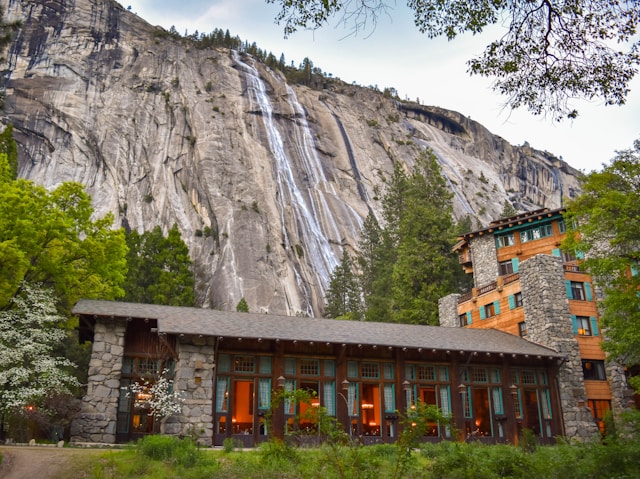
If you’re planning to stay overnight in Yosemite, you have two main choices: lodging (inside or near the park) and camping. Each option has its own pros and cons. Here’s a quick overview to help you decide.
Lodging
Park-Operated & Concession Lodging
Inside Yosemite there are several lodging options managed under park concession (i.e. park-operated or through concessionaires). These range from elegant hotel style (for example, The Ahwahnee) to rustic tent cabins and more modest rooms.
Things to know / tips
- Lodging inside the park is popular, so reservations open 365 (or 366) days in advance and are strongly recommended, especially in spring through fall and holidays.
- If you can’t find something inside the park, your fallback is staying in private lodging in communities just outside the park (towns near park entrances).
Camping
Camping is a more adventurous and often more affordable way to stay in Yosemite. The park offers several campgrounds, and the options change with the seasons.
Yosemite has 13 campgrounds that generally require reservations from about April through October.
In winter, a few campgrounds (like Camp 4, Wawona, Hodgdon Meadow) operate on a first-come, first-served basis, though they may fill early on busy weekends or holidays.
From mid-April through October, first-come, first-served camping is usually not available. You’ll need to check Recreation.gov for cancellations during this time.
Things to watch out for
- Campgrounds fill up fast. You’ll want to plan ahead and book early.
- Even when some campgrounds are listed as “first come,” in practice they often become full early in the morning.
- At many sites, amenities are basic, such as toilets, water, and food lockers. You should not expect hotel-level services in campgrounds.
- Always check the park’s campground regulations (fire rules, food storage, quiet hours, etc.).
If your priority is comfort, convenience, and avoiding harsh weather, lodging is safer. But if you love waking up to nature, sleeping under the stars, and don’t mind more roughing it, camping is the classic Yosemite experience.
Know Before You Go
Park Reservations and Closures
As of 2025, Yosemite National Park requires day-use reservations for summer visits. These reservations are required daily from 6:00 am to 2:00 pm on select dates, including Memorial Day weekend, June 15–August 15, and Labor Day weekend. Reservations open on May 6, 2025, on recreation.gov. This system helps manage congestion and ensure a better experience for all visitors.
Check the official Yosemite National Park website for the latest updates on reservations, closures, and conditions. Some areas may be closed for weather or maintenance. Planning ahead helps you avoid problems and enjoy your visit.
Wildlife Safety
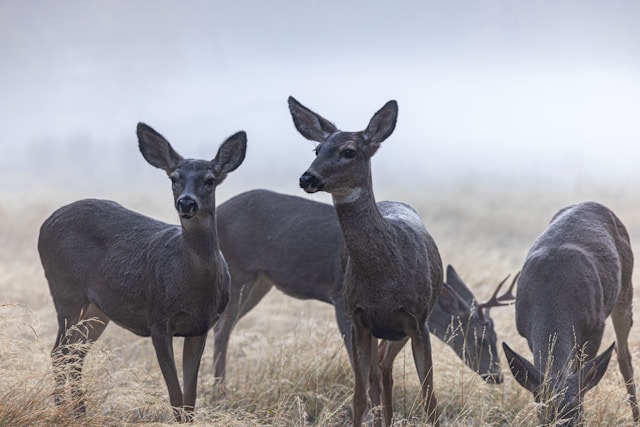
Yosemite has many animals, such as black bears, mule deer, and different birds. Seeing wildlife can be exciting, but always put your safety and the animals’ well-being first.
Always maintain a safe distance from wildlife. The National Park Service recommends staying at least 100 yards away from bears and wolves, and 25 yards from other large animals. Never feed wildlife, as this can lead to dangerous behavior and is harmful to the animals.
When hiking or camping, store food properly in bear-resistant containers or food lockers provided at campsites. This protects both your supplies and the local wildlife population by preventing animals from associating humans with food sources.
Cell Phone Coverage
While Yosemite’s natural beauty offers a perfect opportunity to disconnect, it’s important to note that cell phone coverage within the park is limited. Some areas, particularly in Yosemite Valley, may have service, but many remote locations will not.
Plan accordingly by downloading offline maps, bringing physical maps, and informing someone outside the park of your itinerary. Consider carrying a portable charger to ensure your devices remain powered for emergencies. Remember, the lack of constant connectivity is part of the wilderness experience and allows for a deeper immersion in nature.
Top 10 Yosemite Summer Activities
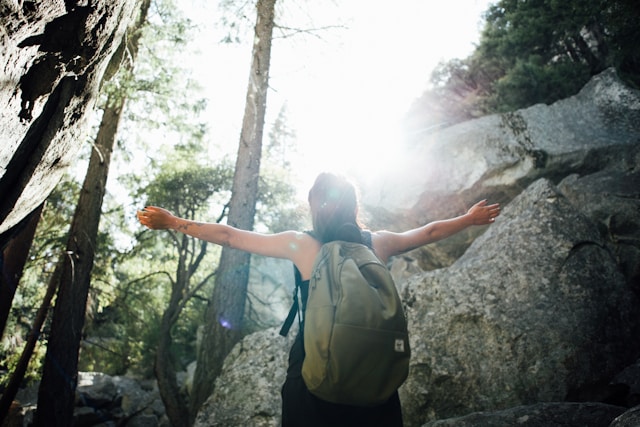
- Hiking iconic trails like the Mist Trail and Pohono Loop
- Photographing sunrise at Valley View or sunset at Tunnel View
- Rock climbing or watching climbers on El Capitan
- Picnicking in scenic meadows surrounded by towering cliffs
- Attending ranger-led programs to deepen your understanding of the park
- Stargazing in areas with minimal light pollution
- Wildlife watching, especially in early morning or late evening
- Swimming or rafting in the Merced River (when conditions permit)
- Exploring the park’s human history at the Yosemite Museum and Pioneer Yosemite History Center
- Capturing the park’s beauty through painting or sketching at various viewpoints
These activities show the variety of things you can do in Yosemite, from exciting adventures to quiet moments. In 2025, more than 57,000 people joined ranger-led programs in the summer, showing how popular and valuable these experiences are.
Best Seasons to Visit Yosemite
Summer in Yosemite
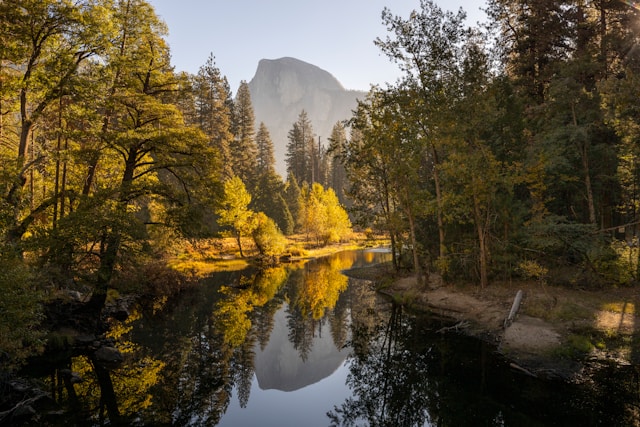
Summer is the busiest season in Yosemite. The weather is warm and dry, and all roads and trails are open. Days are long, so you have more time to explore. Waterfalls are smaller than in spring, but you can visit places like Half Dome and El Capitan.
However, summer also brings crowds. Approximately 75% of Yosemite’s annual visitors arrive between May and October . To avoid the busiest times, consider visiting in early June or late August, and always have a plan B for popular attractions.
Fall Colors in Yosemite
Autumn in Yosemite is quieter, and the park shows fall colors. While there are not many large forests, places like Yosemite Valley and Wawona Meadow Loop have nice autumn colors, especially in late October and early November.
Fall is cooler, which makes hiking more comfortable. Some high-elevation roads and trails may close because of snow as early as October, so check conditions before planning those activities.
Winter Activities in Yosemite
Winter turns Yosemite into a snowy wonderland, offering unique experiences like cross-country skiing, snowshoeing, and ice skating with a backdrop of snow-capped granite cliffs. The Badger Pass Ski Area opens for downhill skiing and snowboarding, providing winter sports opportunities within the park.
While many high-country roads close, Yosemite Valley remains accessible year-round. Winter visitors are treated to ethereal mists rising from the valley floor, frozen waterfalls, and a serene atmosphere far removed from the busy summer months.
Spring Waterfalls in Yosemite
Spring is perhaps the most dramatic season in Yosemite, as warming temperatures melt the winter snowpack, bringing the park’s waterfalls to their thunderous peak. This is the best time to witness the full power of famous falls like Yosemite Falls, Bridalveil Fall, and Vernal Fall.
Spring weather can be unpredictable, and some high-elevation trails may still be closed because of snow. Still, spring has strong waterfalls, blooming wildflowers, and fewer crowds than summer, making it a good time to visit.
Conclusion
A two-day itinerary in Yosemite National Park offers a glimpse into one of America’s most treasured natural wonders. From the towering cliffs of Yosemite Valley to the panoramic vistas of Glacier Point, every moment in the park is an opportunity for awe and inspiration.
Whether you hike the Mist Trail, watch climbers on El Capitan, or see the sunset from Taft Point, your visit to Yosemite will be memorable and help you appreciate nature.
FAQs
- Is two days enough to see Yosemite National Park?
While two days is not enough to explore every corner of Yosemite, it’s sufficient to experience many of the park’s highlights. This itinerary focuses on the most iconic sights and experiences, allowing you to make the most of your limited time.
- What should I pack for a two-day trip to Yosemite?
Essential items include comfortable hiking shoes, layered clothing, sun protection, a reusable water bottle, snacks, a camera, and a detailed park map. Don’t forget to bring any necessary medications and a first-aid kit.
- Are there dining options available in Yosemite?
Yes, Yosemite offers various dining options, from casual cafeterias to upscale restaurants. However, it’s a good idea to pack some snacks and picnic supplies, especially when planning full days of hiking and exploration.
- Can I see wildlife in Yosemite?
Yosemite is home to diverse wildlife, including black bears, mule deer, and various bird species. While wildlife sightings are common, it’s important to maintain a safe distance and never feed wild animals.
- How difficult are the hikes mentioned in this itinerary?
The hikes range from easy (like the Lower Yosemite Falls trail) to strenuous (like the Mist Trail to Nevada Fall). Always assess your fitness level and be prepared with proper gear and plenty of water before attempting any hike.