
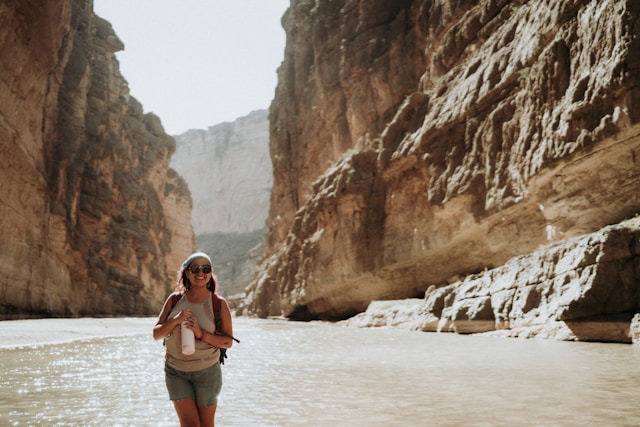
Nestled in the heart of West Texas, Big Bend National Park stands as a testament to the raw beauty of the American Southwest. This vast wilderness, where the Chihuahuan Desert meets the Chisos Mountains and the mighty Rio Grande, offers an unparalleled adventure for nature enthusiasts and hikers alike.
In 2024, the park welcomed 561,459 visitors, marking a 10% increase from the previous year. Whether you’re planning a quick getaway or a weekend expedition, this comprehensive 1-2 day itinerary will guide you through the park’s most breathtaking landscapes and hidden gems.
Introduction to Big Bend National Park
Big Bend National Park is a geological marvel that spans over 800,000 acres of diverse terrain. From fossilized sea beds to towering mountain peaks, the park showcases millions of years of Earth’s history. The Rio Grande forms the park’s southern border, carving dramatic canyons and serving as a natural boundary between the United States and Mexico.
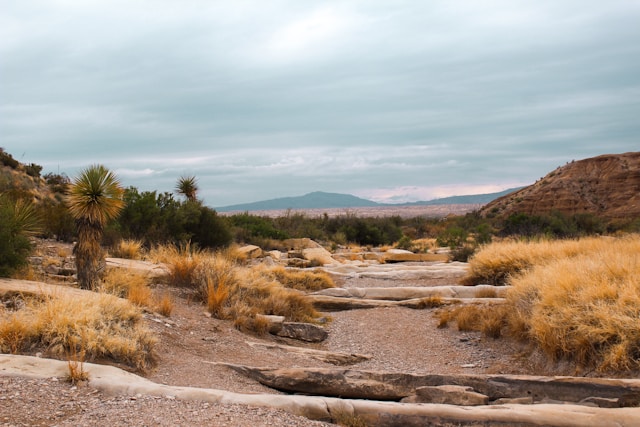
The park’s unique features include the Chihuahuan Desert, home to a surprising array of plant and animal life adapted to the harsh environment. The Chisos Mountains rise like an island in this sea of desert, offering cooler temperatures and lush vegetation. The Rio Grande, with its life-giving waters, creates a ribbon of green through the arid landscape.
The best time to visit Big Bend depends on your preferences and tolerance for extreme weather. Spring (March to April) and fall (October to November) offer mild temperatures ideal for hiking and outdoor activities. Summer months can be scorching, with temperatures often exceeding 100°F (38°C), while winters are mild during the day but can drop below freezing at night.
Planning Your Visit
How to Get to Big Bend
Big Bend’s remote location is part of its charm, but it also requires some planning. The nearest major airports are in Midland/Odessa (235 miles away) and El Paso (330 miles away). From these cities, you’ll need to rent a car and drive. The park is accessible via US-385 from the north or TX-118 from the west.
Where to Stay
Accommodation options within the park include the Chisos Mountains Lodge, which offers rooms and cottages with stunning views. For those who prefer camping, the park has three developed campgrounds: Chisos Basin, Rio Grande Village, and Cottonwood. Due to the park’s increasing popularity, campgrounds are often full during peak seasons. In fact, the surrounding area has seen a recent boom in Airbnbs and short-term rentals, contributing to tourism growth.
What to Pack
When packing for Big Bend, think desert essentials. Bring plenty of water (at least one gallon per person per day), sun protection (hat, sunscreen, sunglasses), and layers of clothing for temperature fluctuations. Sturdy hiking boots, a first-aid kit, and a detailed map of the park are also crucial. Don’t forget binoculars for wildlife viewing and a camera to capture the breathtaking landscapes.
One-Day Itinerary
Morning: Chisos Basin Area
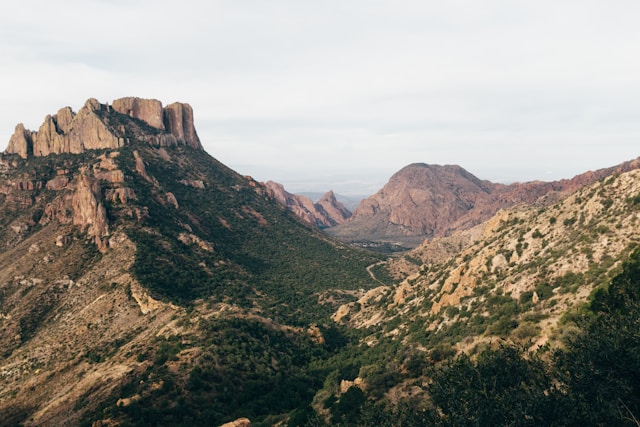
Start your day early in the Chisos Basin, the heart of Big Bend National Park. Begin with the Lost Mine Trail, a moderate 4.8-mile round trip hike that offers spectacular views of the surrounding mountains and canyons. The trail climbs steadily through oak and pine forests before reaching a ridge with panoramic vistas of the Chisos Mountains and the desert below.
As you hike, keep an eye out for the diverse wildlife that calls this area home. You might spot white-tailed deer, javelinas, or even catch a glimpse of a black bear or mountain lion if you’re lucky (and cautious).
Afternoon: Ross Maxwell Scenic Drive
After lunch at the Chisos Basin Restaurant, embark on the Ross Maxwell Scenic Drive. This 30-mile road showcases some of the park’s most stunning geological features. Make stops at Sotol Vista, Mule Ears Viewpoint, and Tuff Canyon to appreciate the diverse landscapes.
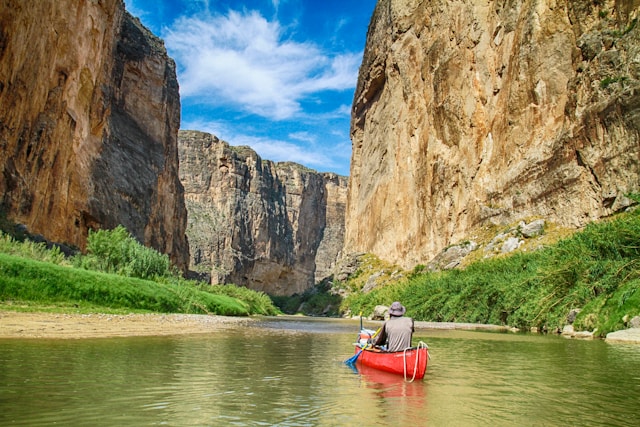
The highlight of this drive is Santa Elena Canyon, where the Rio Grande has carved a 1,500-foot deep chasm through limestone cliffs. Take the short trail to the mouth of the canyon for an up-close view of this natural wonder.
Evening: Sunset Viewing Spots
End your day with a memorable sunset. The Sotol Vista Overlook along the Ross Maxwell Scenic Drive offers a panoramic view of the western side of the park, perfect for watching the sun dip below the horizon. Alternatively, if you’re up for a short hike, the Window View Trail in the Chisos Basin provides a stunning frame for the setting sun.
As darkness falls, prepare yourself for an astronomical treat. Big Bend’s remote location and dark skies make it one of the best places in the country for stargazing. On a clear night, you can see thousands of stars, the Milky Way, and even distant galaxies with the naked eye.
Two-Day Itinerary
Day 1: Chisos Basin and Santa Elena Canyon
Follow the one-day itinerary outlined above, allowing more time to explore the Chisos Basin and Santa Elena Canyon areas in depth.
Day 2: Rio Grande Village Area
Start your second day early and head to the eastern side of the park, the Rio Grande Village area. Begin with the Boquillas Canyon Trail, a 1.4-mile round trip hike that leads to another impressive canyon carved by the Rio Grande. Along the way, you’ll pass through riparian habitats and have the chance to see the small Mexican village of Boquillas del Carmen across the river.
Next, visit the nearby Hot Springs. A short 0.75-mile trail leads to the foundation of an old bathhouse where you can soak in 105°F natural spring water while enjoying views of the Rio Grande. Remember to bring plenty of water and sun protection, as this area can get extremely hot.
In the afternoon, explore the Rio Grande Village Nature Trail. This easy 0.75-mile loop offers excellent opportunities for bird watching and provides panoramic views of the surrounding desert and mountains.
Additional Activities and Hikes
If you have extra time or are looking for more challenging hikes, consider these options:
Window Trail
This 5.6-mile round trip hike in the Chisos Basin leads to a dramatic V-shaped cut in the mountain rim, framing the desert lowlands beyond. The trail descends through Oak Creek Canyon, ending at a pour-off smoothed by seasonal floods.
Emory Peak
For experienced hikers, the trail to Emory Peak, the highest point in the park at 7,825 feet, offers unparalleled views of Big Bend and beyond. This strenuous 10.5-mile round trip hike requires an early start and plenty of water.
Balanced Rock
Located in the Grapevine Hills area, this 2.2-mile round trip hike leads to a unique rock formation that seems to defy gravity. The trail is relatively easy until the final quarter-mile, which involves some scrambling over rocks.
Accessibility in Big Bend National Park
While Big Bend’s rugged terrain can be challenging for visitors with mobility issues, the park does offer several accessible options. The Window View Trail in the Chisos Basin is paved and wheelchair-friendly, offering stunning views of the surrounding mountains. The Rio Grande Village Visitor Center and its surrounding nature trail also provide accessible facilities and viewpoints.
For those with limited mobility, scenic drives like the Ross Maxwell Scenic Drive offer numerous pullouts with interpretive exhibits, allowing visitors to experience the park’s beauty from their vehicles.
Photography Tips for Big Bend
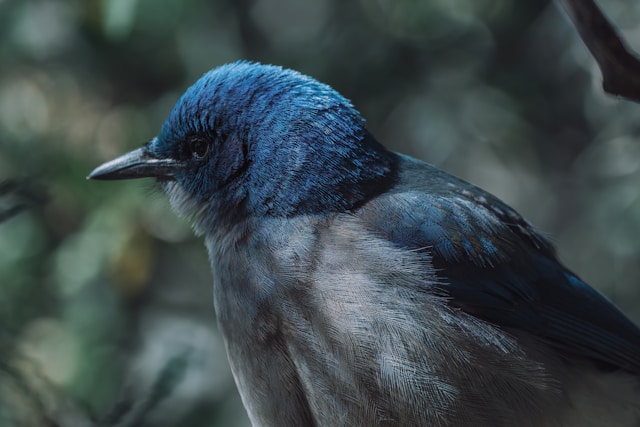
Big Bend National Park is a photographer’s paradise, offering diverse landscapes and abundant wildlife. For landscape photography, the golden hours around sunrise and sunset provide the best light, especially at locations like the Sotol Vista Overlook or Santa Elena Canyon.
Wildlife photography opportunities abound throughout the park. The Chisos Basin is excellent for capturing images of deer and birds, while the desert areas might yield shots of roadrunners or coyotes. Always maintain a safe distance from wildlife and never feed or approach animals.
Tips for Visiting Big Bend National Park
Safety Precautions
The remote and rugged nature of Big Bend requires visitors to be well-prepared and cautious. Always carry plenty of water, more than you think you’ll need. Dehydration is a serious risk in the desert environment. Inform someone of your hiking plans and expected return time.
Wildlife Awareness
While encounters with dangerous wildlife are rare, it’s important to be aware of your surroundings. Keep a safe distance from all animals, including seemingly harmless ones like javelinas. If you encounter a mountain lion or bear, make yourself appear large, make noise, and back away slowly.
Leave No Trace Principles
Help preserve Big Bend’s pristine wilderness by following Leave No Trace principles. Pack out all trash, stay on designated trails, and leave natural and cultural artifacts where you find them. Remember, as the National Park Service states, Big Bend is “a place where you can still hear the whispers of pioneers, ranchers, miners, and Native Americans.” Let’s keep it that way for future generations.
Conclusion and Final Thoughts
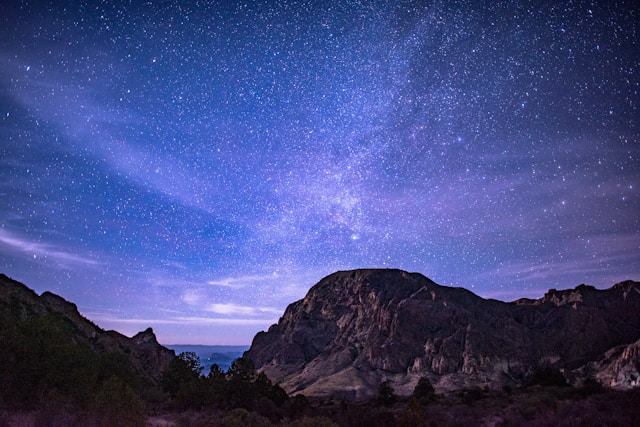
A visit to Big Bend National Park, whether for one day or two, is an unforgettable experience. From the towering cliffs of Santa Elena Canyon to the serene beauty of the Chisos Basin, the park offers a diverse array of natural wonders. As you explore, take time to absorb the vastness of the landscape and the subtle details of desert life.
Whether you’re hiking a challenging trail, soaking in hot springs, or simply watching the sunset paint the desert in vibrant hues, Big Bend has a way of leaving an indelible mark on your soul. It’s a place that rewards those who take the time to truly experience it, offering not just scenic views, but a profound connection with the raw beauty of the natural world.
As you plan your visit, keep in mind that the park’s popularity is growing. In 2023, visitor spending at Big Bend National Park reached approximately $48.51 million, a 17% increase compared to 2019. This growth means that planning ahead and making reservations, especially for accommodations, is more important than ever.
Lastly, stay informed about any temporary closures or changes in park operations. For instance, a planned closure of the popular Chisos Basin area has been postponed until next year, allowing visitors to access this region for the remainder of 2025. Always check the official National Park Service website for the most up-to-date information before your visit.
Whether you’re drawn by the challenge of desert hiking, the allure of starry nights, or the simple desire to disconnect from the modern world, Big Bend National Park offers an adventure that will stay with you long after you’ve returned home. So pack your bags, bring your sense of wonder, and prepare for an unforgettable journey into one of America’s most unique and captivating landscapes.
Frequently Asked Questions
Is one day enough to see Big Bend National Park?
While one day allows you to experience some of Big Bend’s highlights, it’s challenging to fully appreciate the park’s diversity in such a short time. A one-day visit can include a scenic drive, a short to moderate hike, and a visit to one of the major attractions like Santa Elena Canyon. However, to truly explore the park’s various ecosystems and hidden gems, a two-day visit or longer is recommended.
What is the best time of year to visit Big Bend?
The best time to visit Big Bend depends on your preferences and tolerance for heat. Spring (March to April) and fall (October to November) offer the most pleasant temperatures for hiking and outdoor activities. Winter (December to February) can be lovely during the day but cold at night. Summer (May to September) is extremely hot, with temperatures often exceeding 100°F (38°C), making outdoor activities challenging and potentially dangerous.
Are there any dangerous animals in Big Bend National Park?
While Big Bend is home to some potentially dangerous animals, encounters are rare if you take proper precautions. The park has black bears and mountain lions, as well as various venomous snakes and scorpions. Always be aware of your surroundings, make noise while hiking to avoid surprising animals, and know what to do in case of an encounter. Most importantly, never feed or approach wildlife.
Can I visit Mexico from Big Bend National Park?
Yes, it is possible to visit the small Mexican village of Boquillas del Carmen from Big Bend National Park when the border crossing is open. The Boquillas Crossing Port of Entry typically operates Wednesday through Sunday. You’ll need a passport, and it’s important to check current border crossing regulations and hours of operation before planning your trip, as these can change.