

Ask anyone in the UK how life feels now and you will likely hear the same refrain: busy, expensive and—above all—predictable. Bills land with unwavering regularity, commutes follow the same clogged roads or train lines, and evenings can blur into a loop of streaming services and scrolling. No wonder a recent YouGov poll found that almost half of Britons feel their lives are “stuck on repeat.” The difficulty is that novelty often seems to cost money we simply do not have during a cost-of-living crunch. So how do you inject excitement into everyday life without raiding your savings?
The good news is that you do not need a round-the-world ticket or a maxed-out credit card to shake things up. By combining a few psychological tricks with some savvy budgeting—and yes, even dipping a toe into low-stakes online entertainment—you can rediscover a sense of adventure for less than the price of a takeaway.
Why Routine Feels So Draining
Habit is efficient: it stops us over-thinking and helps us get through busy days. The downside is that the brain, wired to seek new information, can become under-stimulated when every day looks the same. That under-stimulation shows up as boredom, low motivation, and even mild anxiety. In other words, routine is comforting until it is not.
The remedy is surprisingly simple: provide the brain with bursts of novelty. Researchers have found that even small changes—taking a new route to work, starting a hobby, or altering the order of your morning tasks—wake up neural pathways and restore a sense of “aliveness.” The challenge, of course, is finding fresh experiences that do not strain household budgets already stretched by rising energy, rent and food costs.
Principle 1: Think Micro, Not Mega
British adventurer Alastair Humphreys popularised the idea of the “micro-adventure” as a short, local and inexpensive escape. The concept could not be better suited to today’s economic climate. Instead of dreaming of a fortnight in Bali, plan an overnight camp in a nearby woodland, a dawn swim at a local beach or a cycling loop that ends at your own front door.
- Set a 24-hour cap. Leaving after work on a Friday and returning before lunch on Saturday forces you to keep costs (and gear) minimal.
- Use public transport. A £7 off-peak train ticket can unlock countryside you have never explored.
- Follow the 80/20 gear rule. 80% of outdoor fun comes from 20% of the kit: a waterproof jacket, decent shoes, and something warm to sleep in.
Principle 2: Gamify the Everyday
Gamification—adding points, rules and rewards to ordinary tasks—tricks the brain into treating chores as play. It costs nothing, yet turns routine breakers into a daily habit.
- The Alternative Commute Challenge: Once a week, use a different mode of transport: bus instead of train, bike instead of car, or walk one leg of the trip. Award yourself a point for every mile.
- Kitchen Roulette: Spin a virtual wheel with inexpensive ingredients (rice, tinned tomatoes, lentils, frozen veg, spices). Whatever the wheel lands on becomes the base of that night’s dinner.
- £5 Photo Quest: Give yourself a crisp fiver and one hour in town. The goal is to capture ten photos that tell a story—spend your money only if it significantly improves the narrative.
Principle 3: Use Low-Cost Online Entertainment

Not every break from routine has to involve leaving the house. Online leisure, when managed responsibly, offers instant novelty without large upfront costs. Ladbrokes Casino, for instance, hosts hundreds of games that can be played for a few pence per spin. The UK Gambling Commission reports an average spend of just £11.54 per online slot session, showing that many players treat it as pocket-money entertainment rather than a high-stakes gamble.
How to Keep Online Play Friendly to Your Wallet
- Set a bankroll. Decide on a weekly entertainment budget—say £20—and ring-fence it. Once it is gone, step away.
- Look for high RTP games. Slots or table games with a Return to Player of 96% or above offer statistically better value over time.
- Use responsible gambling tools. Platforms such as Ladbrokes Casino allow deposit limits, time-outs and reality checks. These features are designed to ensure the hobby stays affordable. See the official guidance from the UK regulator here.
- Favour low-stakes tables. Plenty of roulette and blackjack rooms accept 10p chips, extending playtime without ballooning spend.
- Read wagering requirements. A generous-looking bonus can be undermined by a high play-through multiplier. Stick to promotions whose terms you fully understand.
The wider industry is also shifting toward safer play. New stake limits on online slots and tighter affordability checks, proposed in the 2023 White Paper, are already influencing how operators like Ladbrokes configure their lobbies. The upshot for players is a more controlled environment that favours entertainment over excess.
Principle 4: Maximise Free Social Fun
Breaking routine does not have to be a solo mission. Gathering friends or family multiplies the novelty factor, and shared costs mean shared savings.
- Board-game potluck: Each guest brings one game and one snack. You supply tap water and upbeat playlists.
- Streaming club: Pick a little-known film, watch together while video-chatting, and rate it out of ten. The only expense is popcorn.
- Swap meets: Instead of “shopping therapy,” organise a clothes-or-book swap. Everyone leaves with something fresh at zero cost.
- Local treasure hunts: Apps like GooseChase or custom Google Maps routes let you create photo scavenger hunts across your neighbourhood.
Principle 5: Build a “Novelty Calendar”
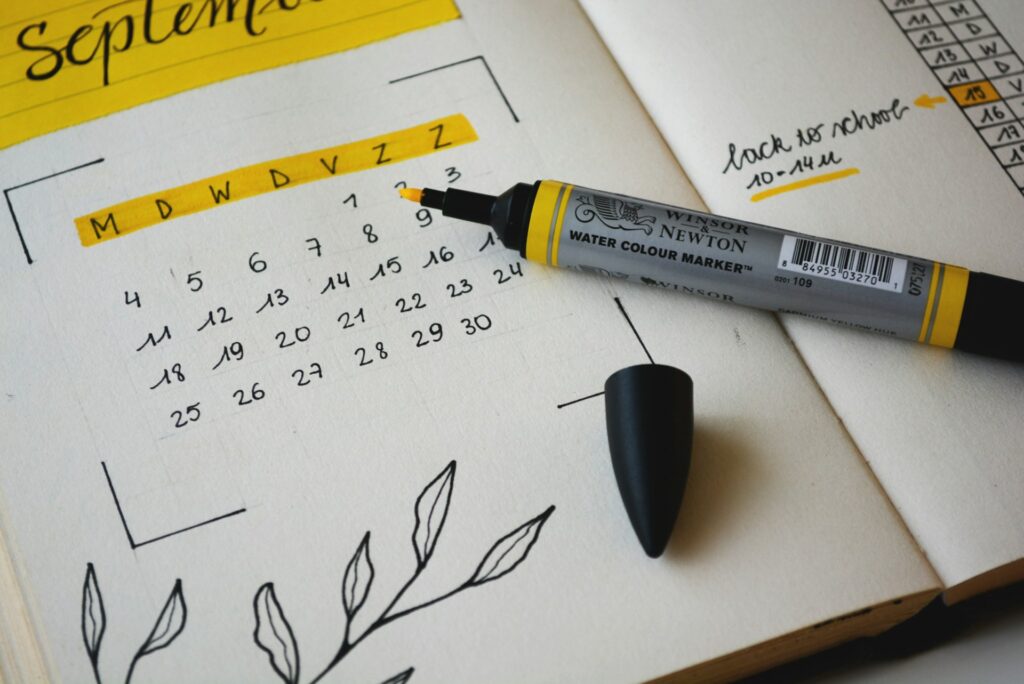
Spontaneity sounds romantic, but planning actually increases the odds that you will follow through. A simple wall calendar or phone app can become a visual reminder to seek novelty at least twice a week.
- Colour code experiences. Green for outdoor, blue for social, red for online, yellow for skill-building.
- Mix durations. Slot quick burst experiences (15-minute meditation, one round of online poker) between longer excursions.
- Track cost per activity. Seeing how many experiences cost £0–£5 reinforces that fun need not be expensive.
Budget Breakdown: A Month of Novelty for Under £75
The Office for National Statistics says the typical UK household already spends about £75 per week on recreation and culture. By reallocating some of that spend toward cheaper, diverse activities, you can pack a surprising amount of excitement into four weeks:
- Two micro-adventures (train fare + snacks) – £20
- One board-game evening (BYO snacks) – £0
- Four low-stake online sessions at Ladbrokes Casino (£5 each) – £20
- One museum “late” or local gig – £10
- Streaming club films (already included in subscription) – £0
- One try-a-sport taster session (e.g., climbing wall intro) – £15
- Miscellaneous treats (bus fares, coffee) – £10
Total: £75, the same amount many households are already spending in a single week. By swapping one expensive night out for several smaller experiences, you stretch variety across the entire month.
Frequently Asked Questions
Isn’t online gambling risky?
Any activity involving real money carries risk, but low-stakes play backed by sensible bankroll management can be as controlled as buying a cinema ticket. Use deposit limits, set time reminders, and stop viewing it as a way to generate income. If you ever feel the entertainment is turning into stress, take a break and use the self-exclusion tools that reputable sites provide.
What if I have no outdoor gear for micro-adventures?
Start with day hikes or urban night-walks that require nothing more specialised than trainers and a hi-vis jacket. Borrow or rent equipment before buying. Sites like Facebook Marketplace regularly list second-hand camping gear for a fraction of retail prices.
How do I stay motivated to try new things?
Accountability helps. Share your novelty calendar with friends, post completed challenges on social media, or set playful “forfeit fees” if you skip a planned activity. The key is to associate breaking the routine with positive feedback rather than guilt.
The Takeaway
Routine is not the enemy; monotony is. By sprinkling low-cost novelty into your week—whether that is a sunrise micro-adventure, a gamified commute, or a responsibly budgeted spin at an online casino—you refresh your mindset without draining your wallet. The economic climate may be tight, but curiosity remains free, and the UK is awash with affordable opportunities to feed it.
Create a small budget, harness responsible tools, invite friends along and plan regular jolts of something different. Soon the phrase “same old, same old” will feel like a distant memory—achieved not through lavish spending, but through smart, playful choices.
Sources: Office for National Statistics (Household expenditure data), UK Gambling Commission (Safer Gambling), Alastair Humphreys (Micro-adventures).