

If you’ve ever felt nervous about opening a credit-card statement or wondered how you’ll pay the electric bill after an unexpected car repair, you are not alone. Millions of Americans live with similar worries every month, and the numbers prove it. The Federal Reserve’s 2023 “Economic Well-Being of U.S. Households” report shows that 37 percent of adults could not cover a $400 emergency with cash. Bankrate’s 2024 survey found that more than half of U.S. adults carry a credit-card balance they cannot pay in full. Despite how common money stress is, many people still hesitate to ask for help when cash gets tight.
This hesitation usually doesn’t come from a lack of options; it comes from the stigma surrounding financial hardship. We are taught to view money struggles as personal failures, yet much of what drives household finances—rising prices, job instability, medical emergencies—is beyond individual control. Recognizing this fact is the first step toward understanding why seeking financial help is not only acceptable but often the smartest move you can make.
The Reality: Financial Stress Is Widespread
- Emergency savings gap. Roughly one in three adults would need to sell something, borrow, or simply fail to pay a $400 surprise bill.
- Paycheck-to-paycheck living. Research from March 2024 shows that 60 percent of Americans— including nearly half of those earning six-figure salaries—rely on the next paycheck to meet everyday expenses.
- Mental-health link. According to the American Psychological Association, two-thirds of adults cite money as a major source of stress, correlating with anxiety, depression, and sleep problems.
Against this backdrop, needing assistance is not a fringe scenario; it is a mainstream experience. When life happens—job loss, medical bills, or the resumption of student-loan payments—asking for help can be the difference between a temporary setback and a long-term crisis.
The Stigma Trap: Why We Hesitate
Social conditioning often equates financial self-reliance with responsibility. While personal accountability matters, refusing help out of pride or fear can deepen the hole. Stigma thrives on isolation: the less we talk about money problems, the more we assume we’re the only ones facing them. The truth is that financial setbacks are part of almost every adult life. Recognizing that fact reframes the act of asking for help from a sign of failure to an act of proactive problem-solving.
Why Seeking Help Is a Strength
- It prevents small issues from becoming big ones. Falling behind on one bill can trigger late fees, overdraft charges, and credit-score damage. Quick assistance can stop that snowball effect.
- You gain expertise. A credit-counseling session, for example, provides professional insight into budgeting and repayment strategies that many of us never learned in school.
- It protects mental health. Reducing acute money stress frees up emotional bandwidth for work, relationships, and long-term planning.
- You model healthy behavior. Children, friends, and coworkers see that it is okay to lean on resources when needed, encouraging a culture of transparency and mutual support.
Common Avenues of Financial Help
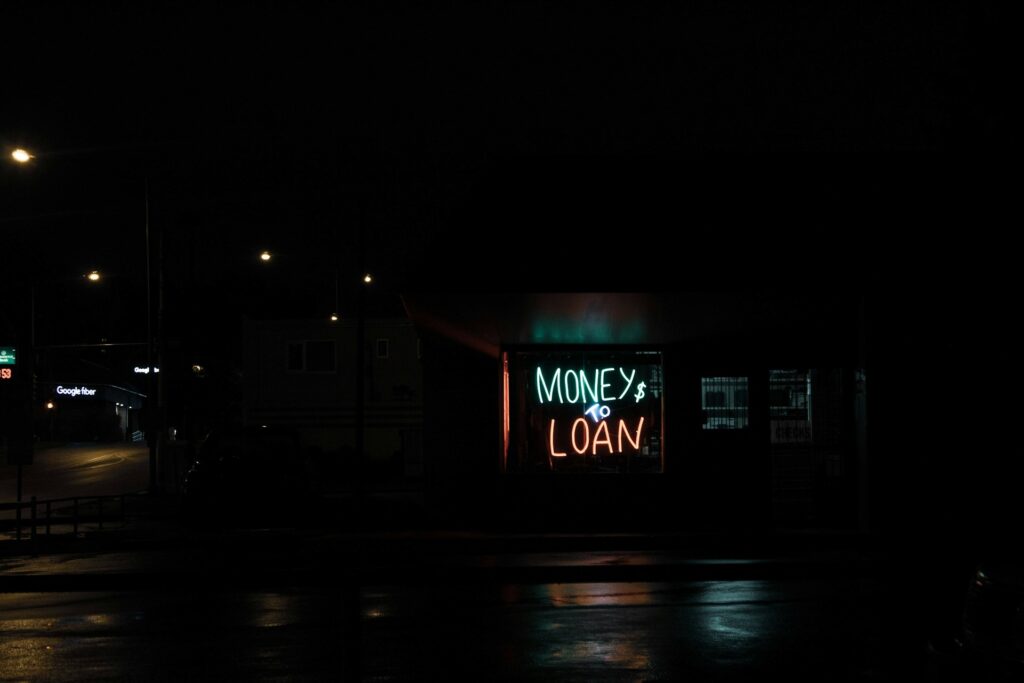
Understanding what help looks like in practical terms can make the decision easier. Below is a rundown of options, ranging from community programs to credit products. Each has advantages and trade-offs, so the right fit depends on your specific situation.
1. Government and Non-Profit Assistance Programs
Programs such as SNAP for food, LIHEAP for utility bills, and TANF for temporary cash support exist precisely to keep households afloat during hard times. These resources are funded by taxpayer dollars; if you qualify, you have already “paid in” and deserve to use them.
2. Credit Counseling and Debt Management Plans
Non-profit credit-counseling agencies can assess your budget and, if appropriate, negotiate lower interest rates through a Debt Management Plan (DMP). This path consolidates multiple monthly payments into one, often reducing stress and total interest paid.
3. Personal Loans and Debt Consolidation
Unsecured personal loans from banks, credit unions, or reputable online lenders can be used to replace high-interest credit-card debt with a fixed payment schedule and (ideally) a lower rate.
4. Payment Relief From Lenders or Landlords
Exploring hardship programs—whether it’s an income-driven repayment plan for federal student loans or a temporary rent-forbearance agreement—can buy time to regain stability.
5. Short-Term Credit Options, Including Online Payday Loans
For urgent, small-dollar needs when other credit is unavailable, some borrowers turn to online payday loans. They offer speed and convenience—funds can arrive within hours—but they carry high fees and APRs. If you consider this route, borrow the minimum amount possible and have a clear plan for repayment to avoid rollover cycles.
6. Community Resources and Mutual Aid
Local nonprofits, religious organizations, and mutual-aid networks often provide micro-grants, food pantries, or zero-interest community loans. These programs may require documentation of need but can be less costly than commercial products.
Choosing the Right Type of Help
There is no single solution, and often a layered approach works best. Ask yourself the following:
- What is the root problem? A one-time emergency may call for a quick cash solution, while chronic overspending requires budgeting education or income adjustments.
- What is the cost of the help? Compare interest rates, fees, and repayment terms. A 25 percent APR personal loan is expensive, but still cheaper than triple-digit payday rates.
- What strings are attached? Some government benefits have work-requirement rules; hardship arrangements might add deferred interest. Read the fine print.
- How will this choice affect my credit and future goals? A missed payment on a consolidation loan hurts your score; asking a relative for a no-interest loan might strain a relationship instead.
The Conversation: How to Ask for Financial Help
Whether you’re talking with a family member, a landlord, or a credit counselor, clarity and honesty go a long way. Here are a few practical tips:
- Prepare the numbers. Show what you earn, what you owe, and why the current gap exists. Data demonstrates seriousness.
- State the specific request. Instead of “Can you help me?” try “I need $600 to cover a car repair so I can keep working. I can repay $100 per month for six months.”
- Explain your plan. Outline how you’ll adjust spending, increase income, or consolidate debts to avoid the same issue next month.
- Acknowledge risk. Assure the lender—whether that’s Mom or a bank—that you understand and respect the commitment you’re asking for.
Navigating Short-Term Credit
Let’s look a bit deeper at small-dollar borrowing since it’s often the area with the most confusion and potential for harm.
When a Short-Term Loan Might Make Sense
If you need a small amount of money immediately—for example, to keep utilities from being shut off—and you are 100 percent certain of incoming funds within two weeks, a short-term product could be the fastest bridge. In moments like these, online payday loans may appear attractive because of their speed, minimal credit checks, and digital convenience.
Risks to Weigh
- High total cost. Payday APRs can reach 400 percent or more, turning a $300 loan into $390 within a single month if rolled over.
- Automatic account access. Lenders often require direct access to your checking account, which can trigger overdraft fees if the debit hits before your paycheck clears.
- Debt cycle potential. Many borrowers end up taking a new loan to repay the old one, spiraling deeper into debt.
These risks do not make online payday loans inherently “bad,” but they do mean you should exhaust lower-cost options first—such as paycheck advances from employers, small-dollar loans from credit unions, or community-assistance grants—and borrow only what you can pay back on the date promised.
Turning Help Into Long-Term Stability

Once immediate fires are put out, the next goal is resilience. Here are steps that convert short-term relief into lasting stability:
1. Build (or Rebuild) an Emergency Fund
Set a realistic first target—$500 or $1,000. Automate transfers to keep the progress going until you reach the recommended three to six months of expenses.
2. Create a Zero-Based Budget
Assign every dollar a job before the month begins. That may mean cutting unused subscriptions, negotiating insurance rates, or meal-planning to slash grocery costs.
3. Increase Income Strategically
Side gigs, certificate courses that lead to higher-paying roles, or even a proactive salary negotiation can expand your margin faster than cutting lattes ever could.
4. Monitor Your Credit
Free annual credit reports from the three major bureaus let you track your score and dispute errors. Good credit unlocks cheaper borrowing if you ever need it again.
5. Keep the Conversation Going
Make money talk a normal part of relationships—whether with your partner, your kids, or your friend group. A transparent environment reduces stigma and surfaces solutions earlier.
When You’re on the Other Side
If you’ve weathered a financial storm and regained stability, consider ways to “pay forward” the help you received:
- Share knowledge. Tell friends about hardship programs or budgeting apps that worked for you.
- Donate. Contribute to local food banks or mutual-aid funds.
- Mentor. Volunteer at community financial-literacy workshops.
Key Takeaways
- Financial setbacks are common; more than one-third of U.S. adults can’t handle a $400 emergency out of pocket.
- Asking for help protects both your wallet and your mental health and often prevents a small problem from turning into a crisis.
- You have options—from government grants and credit counseling to personal loans and, when absolutely necessary, online payday loans—each with its own cost-benefit profile.
- The real measure of success is not avoiding debt forever; it is developing the resilience to address challenges quickly, learn from them, and build a sustainable plan for the future.
You wouldn’t try to fix a broken arm without a doctor; treating financial pain should be no different. Resources exist, and they are meant for people exactly like you—everyday individuals navigating an unpredictable world. Use them, learn from them, and keep moving toward the stability and peace you deserve.
For further reading on recent shifts in household finances, see the Consumer Financial Protection Bureau’s look at student-loan repayment behavior here.