
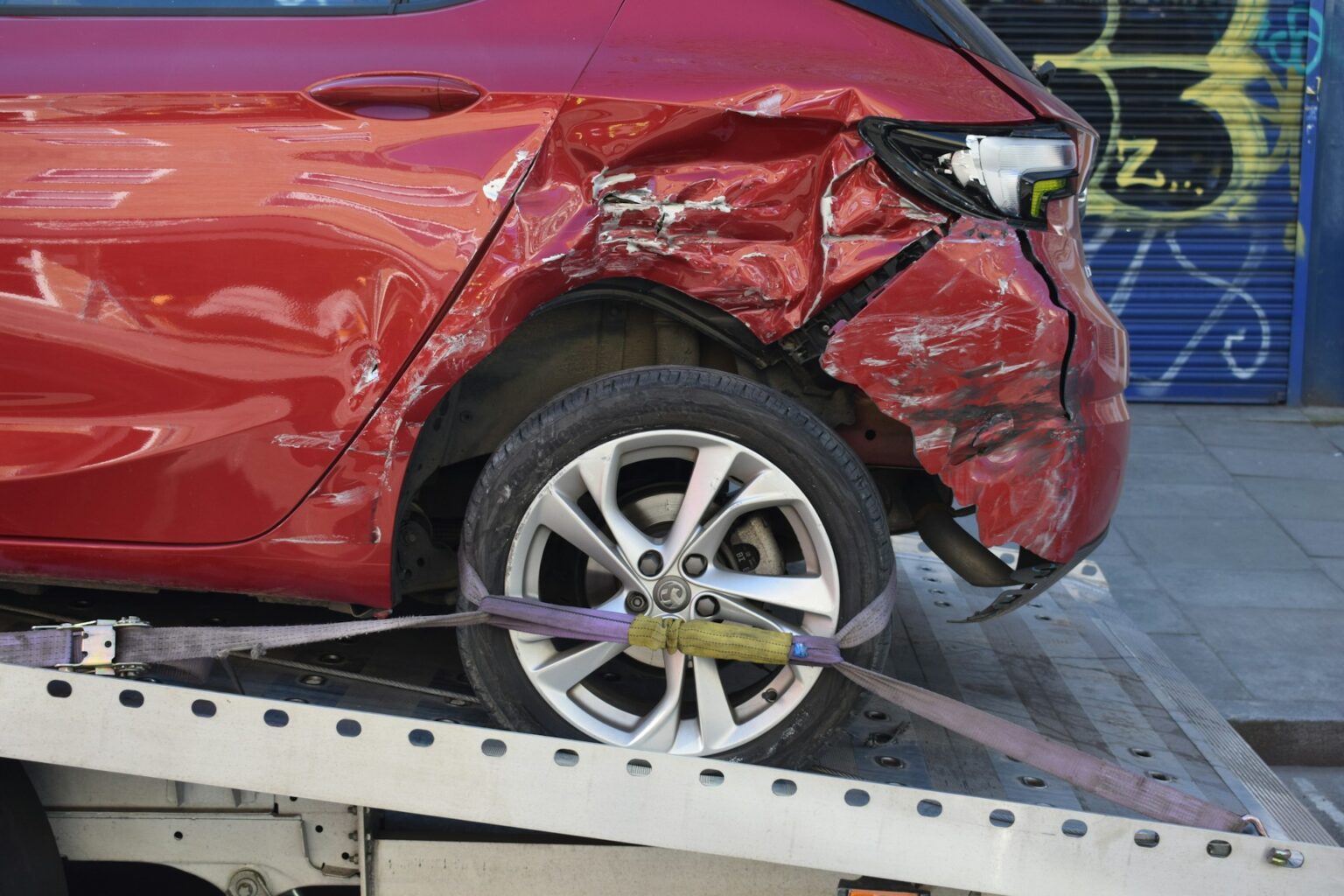
You’re cruising down the interstate when a dashboard light flares up and the engine starts making a terrible clunk-clunk-clunk. Within seconds your relaxing drive turns into an anxiety-ridden scramble: How bad is it? How much will it cost? How on earth will I pay for it?
Emergency car repairs can be mentally and financially overwhelming, but a deliberate, step-by-step plan can keep both your vehicle and your budget on course. Below is a practical guide that walks you through diagnosing the problem, controlling costs, and deciding how to fund the fix—even if you don’t have a bulging emergency fund sitting in the bank.
1. Why Car Repair Emergencies Feel More Urgent Than Ever
- High dependency on vehicles. More than 84% of U.S. workers commute by car, according to the U.S. Census Bureau. When your ride is down, getting to work, school, or childcare becomes a logistical nightmare.
- Rising repair prices. Government data show the Consumer Price Index for motor-vehicle maintenance and repair jumped 12.7% from March 2023 to March 2024—far outpacing overall inflation.
- Widespread financial fragility. A 2023 Federal Reserve survey found that 37% of U.S. adults would struggle to cover an unexpected $400 expense out of pocket.
Those three realities collide the moment your transmission slips or your brake pedal sinks to the floor. The good news: there are tactics—both mechanical and financial—that can soften the blow.
2. Triage First: Is It Safe to Drive?
- Check your owner’s manual. Modern cars use warning-light hierarchies (solid vs. flashing, amber vs. red). A flashing red symbol, for example, often means “stop driving now.”
- Listen, look, smell. Grinding noises, steam under the hood, or burnt-rubber smells can signal immediate danger. Pull over safely.
- Call roadside assistance. If you carry a membership through your insurer, credit card, or AAA, a tow may be free or discounted. Driving a severely damaged car can turn a $300 fix into a $3,000 overhaul.
3. Get a Trustworthy Diagnosis and Estimate
Once you and the vehicle are in a safe place, shift from panic to data gathering.
Choose the Right Shop
- Certification matters. Look for ASE (National Institute for Automotive Service Excellence) credentials on the wall or website.
- Explore independent mechanics. Recent “right to repair” laws in states such as New York and California require manufacturers to share diagnostic tools with independent shops, broadening your options and often lowering prices.
Demand Documentation
- Written estimate. A legitimate shop should provide an itemized quote that includes labor hours, parts, taxes, and any diagnostic fee.
- Parts options. Ask whether OEM (original equipment manufacturer), aftermarket, refurbished, or recycled parts are available, along with the pros and cons of each.
Get a Second Opinion
Don’t hesitate to call another shop with the diagnostic code or preliminary findings. With repair costs averaging roughly $1,643 per year for a 15,000-mile driver, even a 10% price swing makes a difference.
4. Control the Cost Before You Authorize the Repair
- Confirm Warranty and Recall Coverage. If your car is within the manufacturer’s warranty or an extended warranty you purchased, repairs could be heavily subsidized. Search your VIN on the National Highway Traffic Safety Administration (NHTSA) site to spot recalls.
- Prioritize the essentials. Sometimes a mechanic will flag multiple issues. Ask which items are critical for safe operation and which can wait.
- Negotiate labor rates or discounts. Independent shops may lower labor charges for repeat customers, military members, or students.
- Supply your own parts—carefully. Online parts retailers can be cheaper, but confirm the shop is willing to install customer-supplied components and whether they’ll guarantee the work.
5. Funding the Fix: Comparing Your Options
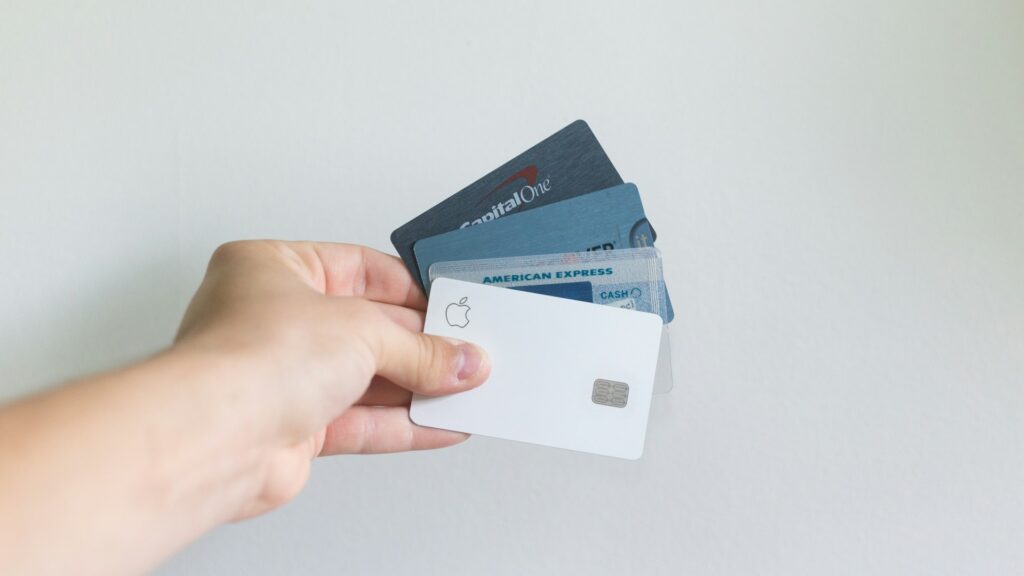
You’ve whittled down the bill as far as possible, but the remaining balance still dwarfs your checking account. Below are common payment paths, ordered from generally lowest to highest cost. Actual costs vary with credit score, term length, and lender policies.
Emergency Fund (Lowest Cost)
If you have a dedicated stash of three to six months’ living expenses, dip into it guilt-free—this is exactly what the money is for. Replenish the fund on your next payday.
Payment Plan With the Repair Shop
Many dealerships and independents partner with financing platforms that break the bill into three- or six-month installments at 0% or low interest. Always read the fine print; deferred-interest promotions can balloon if the balance isn’t cleared by the deadline.
Credit Card
A rewards card with available credit can bridge the gap, especially if you can pay it off in the next statement cycle. Just remember the average U.S. card APR now exceeds 20%.
Personal Loan From a Bank or Credit Union
Unsecured personal loans typically offer fixed rates and predictable payments over two to five years. Local credit unions often beat big-bank rates, particularly for members with good credit scores.
Instant Loan
An instant loan is a short-term, unsecured personal loan that promises fast online approval and funding—sometimes within hours. Its speed can be lifesaving when you need your only vehicle running tomorrow morning. Typical drawbacks include higher APRs than traditional bank loans and smaller borrowing limits, so compare the annual percentage rate and any origination fees. Use an instant loan only after confirming you have a realistic plan to repay it quickly. When used responsibly—perhaps to cover a deductible portion of a larger repair—it beats missing work due to car trouble.
Peer-to-Peer Lending
Platforms such as LendingClub or Prosper connect borrowers with individual investors. Rates reflect your credit profile, and funding usually takes a few days.
Borrowing From Family or Friends
While awkward, an interest-free loan from relatives can save triple-digit finance charges. Put repayment terms in writing to preserve the relationship.
Employer Paycheck Advance
Some employers offer emergency payroll advances or partner with earned-wage access apps. Fees are generally lower than payday loans, but be mindful of shrinking your next paycheck.
6. Evaluate the Repair Against Your Car’s Value
If the repair cost equals or exceeds the vehicle’s market value, a replacement might be more economical. Use appraisal tools like Kelley Blue Book or Edmunds, and don’t forget to include upcoming expenses (tires, scheduled maintenance) in the calculation.
7. Protect Yourself From the Next Breakdown
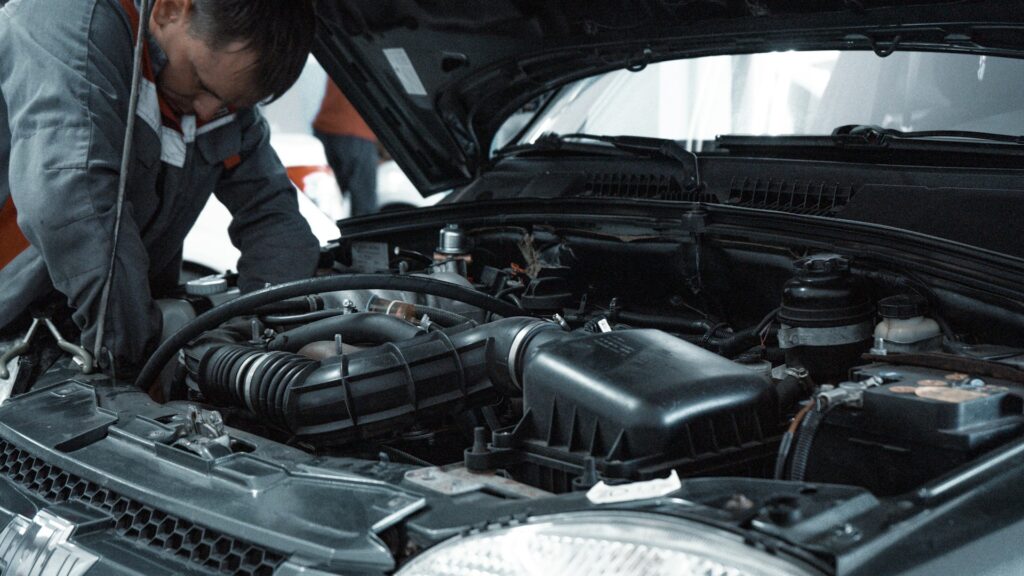
Build or Rebuild an Emergency Fund
Automate a small transfer—$25, $50, $100—into a high-yield savings account each payday. Even a $1,000 cushion covers many common repairs such as batteries, alternators, or tires.
Keep Up With Preventive Maintenance
- Follow the manufacturer’s maintenance schedule for oil changes, fluid flushes, and belt replacements.
- Rotate and balance tires every 5,000 to 7,500 miles; uneven wear can lead to premature blowouts.
- Use a free maintenance-tracking app so reminders hit your phone instead of disappearing into glove-box oblivion.
Consider an Extended Warranty—Carefully
Third-party service contracts vary wildly in coverage and price. Confirm exactly which parts are covered, what deductibles apply, and whether you can choose your own mechanic. Don’t roll the cost into an auto-loan balance unless the math still makes sense after interest.
Learn Basic DIY Checks
You don’t have to be a gearhead to spot problems early. Knowing how to read tire tread depth, check fluid levels, and listen for brake squeal lets you schedule repairs while they’re still affordable.
8. Mindset Matters: Staying Calm Saves Money
Stress accelerates bad financial decisions. When a mechanic rattles off a list of urgent repairs, pause. Ask for the written estimate, step outside, call a knowledgeable friend, and compare financing options. A 30-minute breather can save hundreds in unnecessary parts or high-interest debt.
9. Checklist: What to Do the Moment an Emergency Repair Pops Up
- Pull over safely and consult the owner’s manual.
- Arrange towing if continued driving is risky.
- Choose an ASE-certified or well-reviewed independent shop.
- Obtain a written, itemized estimate.
- Seek a second opinion for high-dollar repairs.
- Ask whether any portion is covered under warranty or recall.
- Compare funding sources: emergency fund, shop payment plan, credit card, personal loan, instant loan, peer-to-peer lender, or family loan.
- Authorize only the repairs you understand and agree to.
- Schedule follow-up maintenance and start rebuilding your emergency savings.
Final Thoughts
No one can plan the exact moment a water pump fails or a timing belt snaps, but you can control how you respond. By slowing down, gathering solid information, and weighing all payment avenues—including the speed of an instant loan against its higher cost—you protect both your transportation and your long-term financial health. A little preparation today, from topping off your emergency fund to finding a trustworthy mechanic, turns tomorrow’s breakdown from a crisis into a manageable inconvenience.