

Monday melts into Tuesday, which fades into Thursday, and suddenly it’s Sunday night again. If you recognise this hazy rhythm, you are far from alone. In France, rising levels of anxiety and disengagement suggest that many people feel trapped in a repetitive loop. A 2023 report from Santé publique France shows that one in four adults experience significant anxiety, while Gallup puts French workplace engagement at just 7 percent—the lowest in Europe. Whether you call it monotony, “boreout,” or simply a rut, the sensation is the same: every day feels identical.
Fortunately, monotony is a state, not a sentence. By understanding the psychology behind the feeling and experimenting with targeted changes—some tiny, some bigger—you can reignite motivation and experience genuine pleasure again. Below you’ll find a roadmap designed for a French readership, including a look at digital hobbies.
1. Understand Why Monotony Hurts
The brain is wired to seek novelty. When our environment stops challenging or surprising us, the reward chemical dopamine drops, leading to low mood and lethargy. Over time, this can morph into anhedonia (the inability to feel pleasure) or even clinical depression. In the workplace, a chronic lack of stimulation produces boreout syndrome, which mirrors burnout but stems from under-load rather than overload.
Knowing the underlying biology helps for one reason: it proves you are not “lazy” or “ungrateful.” Your brain is signalling that it needs variety, purpose and a manageable level of challenge to function well.
2. Spot the Signs You’re Stuck

- You struggle to recall what you did two or three days ago.
- Tasks that once felt easy now feel exhausting.
- You rely heavily on mindless scrolling, comfort food or alcohol to pass time.
- Weekends bring no excitement; Mondays bring no dread—they feel exactly the same.
When these signs persist for weeks, it’s time for intentional change.
3. Start With Micro-Experiments (They Train Your Brain)
Neuroscientists label the brain’s capacity to rewire itself neuroplasticity. Small, novel actions create fresh neural pathways, leaving you energised. Try these daily micro-experiments:
- Reverse your route. Walk or cycle a different street on your commute.
- Switch roles at home. If you usually cook, trade tasks and handle music or table décor instead.
- Learn a 5-minute skill. A single origami shape, a new keyboard shortcut, a yoga pose.
- Change sensory inputs. Light incense instead of your usual candle, play lo-fi when you normally favour pop.
These tweaks are small enough to avoid overwhelm yet potent enough to jolt your dopamine system.
4. Schedule Macro Novelty: Hobbies That Stretch You
While micro-changes spark the engine, hobbies keep it running. A study in the Annals of Behavioral Medicine found that people who devote time to leisure activities enjoy reduced cortisol (stress hormone) and improved mood. The key word is “devote”—a hobby requires active engagement, not passive consumption.
Ideas That Suit French Lifestyles
- Cours du soir. Local mairies and universities often run affordable evening classes in cooking, pottery or coding.
- Volunteer tourism. Organisations like WWOOF France let you exchange farm work for room and board during short stays.
- Language tandem. Even if you already speak English, there’s Spanish, German or Japanese. Language cafés create built-in social contact.
- Digital exploration—including regulated online gaming.
5. Digital Exploration: From Virtual Museums to the Meilleur Casino en Ligne
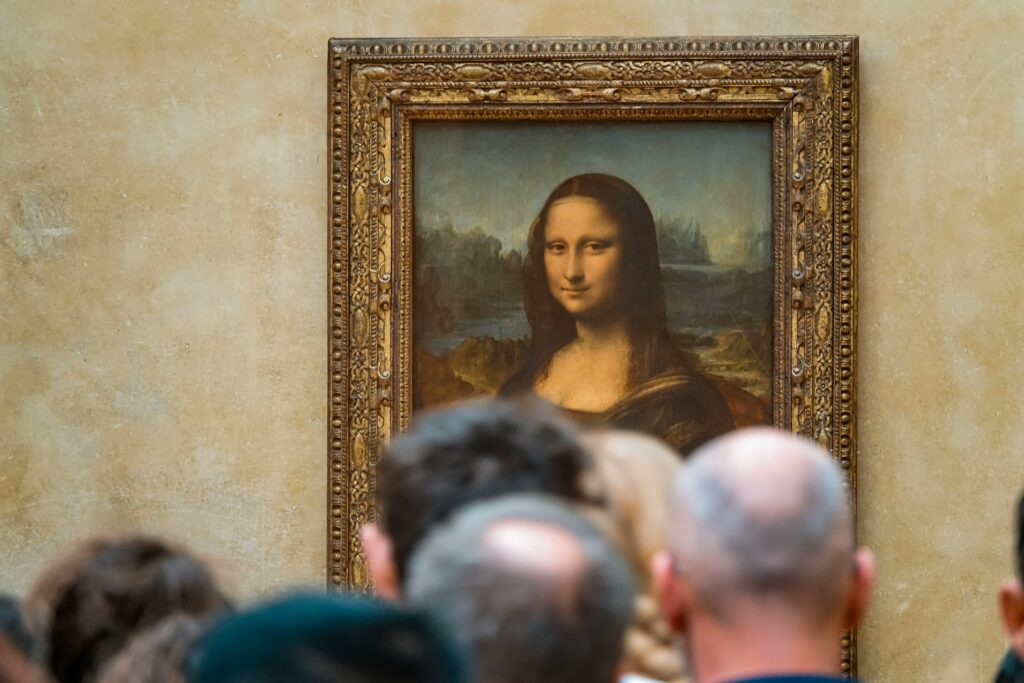
France’s entertainment landscape is shifting online. The French National Gambling Authority (ANJ) reports that gross gaming revenue reached €2.3 billion in 2022, up 9 percent from the previous year. Whether you’re streaming an art lecture from the Louvre or testing your luck at blackjack, digital platforms open doors without requiring travel or large budgets.
How Online Gambling Fits Into a Balanced Search for Novelty
Some people dismiss gambling as a vice, but in moderation—and under France’s strict regulations—it can be a legitimate form of leisure. The important thing is to choose the meilleur casino en ligne (best online casino) based on:
- Licensing. Ensure the platform bears the ANJ seal.
- Responsible gaming tools. Look for deposit limits, self-exclusion options and transparent odds.
- Game variety. A mix of poker, sports betting and instant games prevents repetitive play.
- Community features. Live chat tables or tournaments add social interaction, which is crucial for combating monotony.
Set a modest budget—think cinema-night costs—and a strict time window before you log in. If you stick to these boundaries, trying a top-rated, secure site can offer the brain a burst of novelty, strategy and excitement. Remember: the goal is stimulation, not escape.
6. Move Your Body—But Make It Interesting
Most advice about monotony screams “exercise!” That’s valid—physical activity boosts serotonin and dopamine. Yet jogging the same urban loop daily soon becomes another predictable task. To keep movement from blending into the background, add variety:
- Commute workouts. Get off the tram two stops early and walk different streets each day.
- Micro-hikes. France’s sentiers de randonnée network means even city dwellers are usually within an hour of a marked trail.
- Gamified fitness apps. Apps that turn walking into treasure hunts or story missions can reignite motivation.
- Seasonal sports. Kayak in summer, rent snowshoes in winter. Seasonal rotation prevents adaptation.
7. Feed Social & Emotional Variety
Humans are anticipation machines; we derive pleasure not just from outcomes but from looking forward to something. Social plans create that anticipatory dopamine surge. If your circle feels stuck on the same routines (pizza on Friday, Netflix on Saturday), propose a theme:
- Pot-luck with a twist. Everyone brings a dish they’ve never cooked before.
- “Mystery city” day trip. Draw names of nearby towns from a hat and go the next morning.
- Skill-swap Sunday. One friend teaches basic guitar chords, another demos latte art.
These gatherings don’t require large budgets yet inject fresh stimuli into your relationships.
8. Reframe Routine Tasks With the “Craft” Mindset
Work and household chores often provide the bulk of daily monotony. You can’t always change the tasks, but you can tweak how you approach them. Psychologists note that high performers usually treat their jobs as crafts—ongoing projects open to improvement—rather than static roles. Apply this logic to any repetitive duty:
- Email protocols. Build templates that reduce shallow tasks and free space for creative problem-solving.
- Innovation challenges. Set yourself a monthly goal, such as automating a report or improving customer response time by 10 percent, and track the metrics.
- Personal Kaizen. Inspired by the Japanese philosophy of continuous improvement, tweak one tiny aspect of your workflow each week.
By upgrading a routine activity into a mini laboratory, you convert monotony into mastery.
9. When to Seek Professional Support
If you suspect clinical depression or feel unable to function, professional help is essential. In France, the government-backed “MonPsy” program now refunds several therapy sessions, making mental-health care more accessible than ever. Therapy does not remove the need for novelty, but it provides strategies to tackle deeper issues like anhedonia or anxiety.
10. Craft Your Personal Anti-Monotony Blueprint

Breaking the cycle doesn’t require relocating to Bali or quitting your job. Small, strategic interventions accumulate. Use the checklist below:
- Audit your day. Pinpoint the three most repetitive blocks of time.
- Insert micro-experiments. Pick one sensory, one social and one cognitive tweak for the coming week.
- Choose a macro hobby. Sign up for an evening course, volunteer stint or test a regulated digital pastime like the meilleur casino en ligne—within set limits.
- Plan active downtime. Alternate between physical variety (new walking routes) and mental variety (podcasts, reading genres you normally skip).
- Review monthly. Track which activities lifted your mood or energy; keep them, ditch the rest.
Key Takeaways
- Monotony is a biological and psychological signal, not a personal failure.
- Neuroplasticity means the brain responds quickly to novelty, even in tiny doses.
- Digital hobbies, including responsibly-managed online gambling, can contribute to healthy variety when chosen wisely.
- Physical movement, social anticipation and a “craft” approach to work reduce sameness from multiple angles.
- Professional help is a strength, not a last resort.
Conclusion: Your Next 24 Hours Matter More Than the Next 24 Years
When every day feels the same, looking too far ahead can seem overwhelming. Instead, target the next 24 hours. Insert one micro-novelty and schedule one future activity that excites you—a pottery class, a live-dealer poker table on a licensed French site, or a dawn walk along a new section of the Seine. Over time, these deliberate sparks light a sustainable fire. Before long, Mondays and Thursdays will regain their unique flavour, and the calendar will feel like a series of opportunities, not photocopies.