
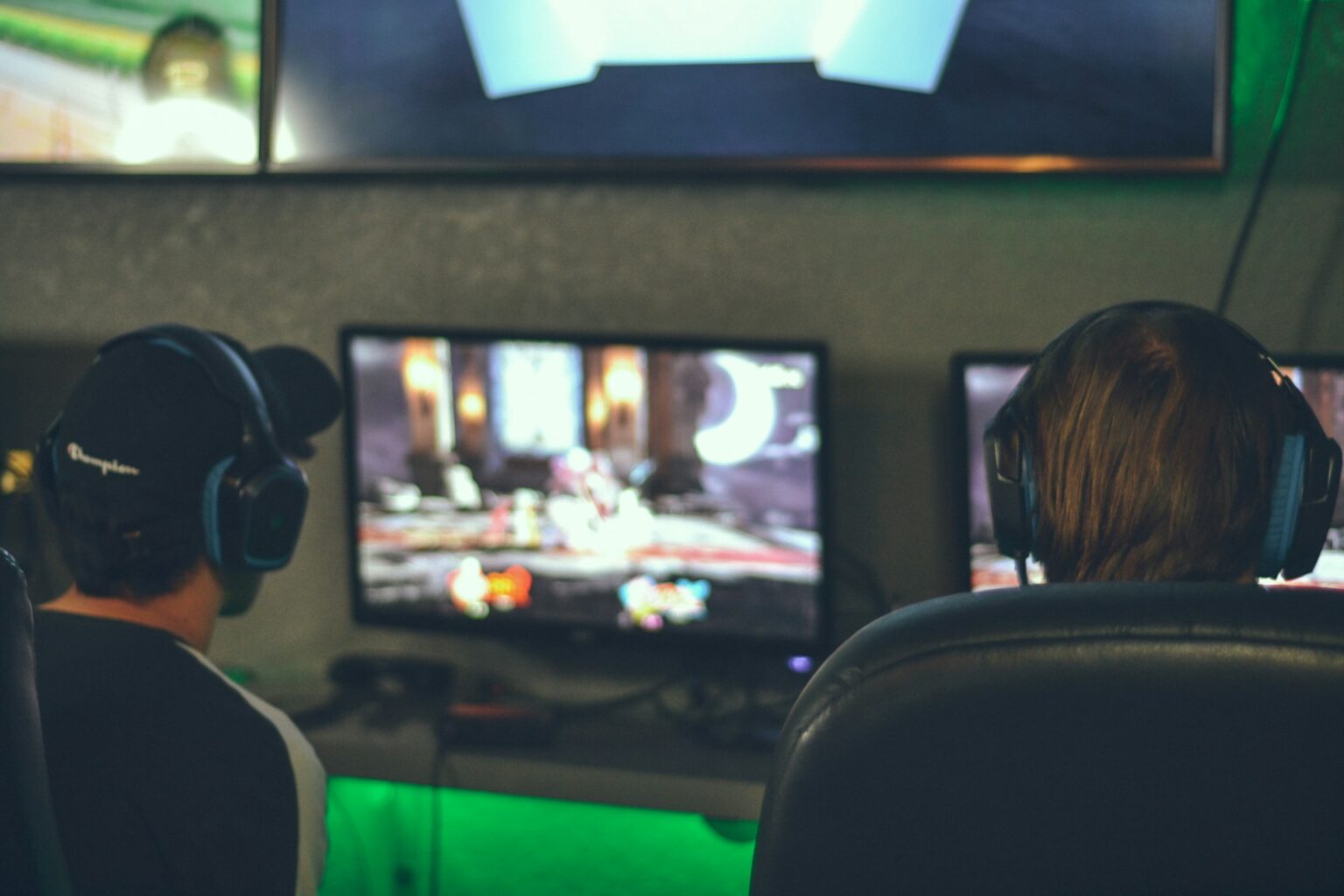
When most people hear the word “gaming,” they picture neon lights, loud soundtracks, and pure entertainment. Yet beneath the surface, strategy games are quietly working your mental muscles. From the complex military maneuvers of a real-time strategy (RTS) title to the decision of when to fold in poker, these experiences challenge the very brain systems that guide real-world success. Below, we break down the science behind strategy gaming, explore how those skills transfer to everyday life, and look at the growing role social casinos play in America’s favorite pastime.
What Counts as a Strategy Game?
A strategy game is any title in which your uncoerced, autonomous decisions significantly determine the outcome. They require planning, resource allocation, and foresight. Classic examples include:
- Real-Time Strategy (RTS): Command & Conquer, StarCraft II
- Turn-Based Strategy (TBS): Civilization, XCOM
- Strategic Card & Tabletop Games: Poker, blackjack, chess
- Skill-based titles in social casinos: Multiplayer poker tables, blackjack rooms, and upcoming competitive formats.
In every case, victory depends on juggling multiple variables—economy, positioning, probabilities, and timing. That juggling act pushes several high-level brain systems into overdrive.
The Neuroscience Behind the Fun

1. Cognitive Flexibility
Researchers at the University of London asked one group of participants to play the RTS classic StarCraft for several weeks, while a control group played a life-simulation game. According to the PLOS ONE study, the StarCraft players posted significantly higher scores on cognitive flexibility tasks than the control group. Cognitive flexibility is your brain’s ability to switch between ideas, juggle multiple concepts, and update plans as conditions change. The payoff outside gaming? Faster adaptation to workplace changes, smoother task switching, and improved multitasking in everyday routines.
2. Working Memory & Spatial Reasoning
A University of California, Irvine report found that playing 3-D video games for just 30 minutes a day over two weeks boosted memory test scores by 12 percent. Because strategy titles often unfold on expansive 3-D maps, they are especially potent at forcing the brain to hold and manipulate spatial information.
3. Executive Functions
Executive functions are the control center of the brain—planning, inhibition, monitoring, and problem-solving. Chess players, for instance, show greater development in areas related to these skills under fMRI scans. Whether you are ordering a battalion to flank an opponent or deciding if your blackjack hand can survive another card, strategy gaming regularly exercises this mental command post.
4. Neuroplasticity in Action
Every new strategic problem you tackle nudges neurons to form fresh connections. Repeated exposure to novel situations—like unexpected opponent moves in multiplayer poker—encourages the brain to rewire itself for efficiency. Over time, this reshaping results in faster recall and more refined instincts.
From Virtual Battlefields to Daily Life
So how exactly do these in-game skills translate once you step away from the monitor? Let’s map a few common gameplay scenarios to their real-world counterparts.
- Resource Management: Balancing your in-game economy mirrors budgeting household expenses or managing project timelines at work.
- Risk Assessment: Calculating odds in poker strengthens the same probabilistic thinking you use when deciding whether to invest money, change jobs, or drive during bad weather.
- Long-term Planning: Laying out a multi-turn strategy in Civilization is akin to charting a five-year career plan—anticipate obstacles, allocate resources, revisit milestones.
- Pattern Recognition: Noticing subtle enemy build orders in an RTS relates to spotting market trends, security vulnerabilities, or early warning signs of a problem at home.
- Team Coordination: Cooperative raids or poker tables demand communication and role clarity, both crucial in professional team projects.
Why America Loves Strategy
According to the Entertainment Software Association’s 2023 report, 65 percent of Americans—about 212 million people—play video games regularly. The average player is 32 years old, well past the stereotype of teens glued to their screens. Strategy is one of the top-performing genres on PC platforms, confirms market analyst Newzoo, demonstrating that players seek mental challenges, not just flashy graphics.
The numbers are even more telling in the rapidly expanding social casino space. Valued at roughly 7.1 billion USD in 2023, the sector is dominated by U.S. players, many of whom migrate from mainstream strategy games. They want the thrill of decision-rich gameplay but prefer it wrapped in a quick, mobile-friendly package. Platforms are responding by adding more skill-based tables and competitive leaderboards to complement their classic slots lineup.
Strategy Inside the Social Casino Boom

Modo Casino operates on a sweepstakes model that uses two virtual currencies: Gold Coins for casual fun and Sweeps Coins that can be redeemed for prizes. That setup keeps the experience legal in most U.S. jurisdictions while still delivering the dopamine rush of potential reward.
But there is a deeper reason strategy fans flock to Modo:
- Skill-Based Games: Beyond one-armed bandits, the platform offers poker, blackjack, and hybrid games where player decisions truly matter.
- Low-Risk Practice Grounds: Newcomers can test tactics with Gold Coins before jumping into Sweeps Coin tables, creating a live laboratory for probability math and bluffing strategies.
- Structured Tournaments: Timed events and leagues mimic e-sports ladders, encouraging metagame analysis—learning the “game outside the game,” which is prime territory for brain growth.
- Community Feedback Loops: Chat boxes and forums enable players to dissect hands, trade tips, and iterate, echoing the analytic sessions studied in adolescent gamers who showed elevated problem-solving scores.
All of this converges into a feedback-rich environment where every decision has measurable consequences—exactly the formula neuroscientists point to when describing effective cognitive training.
Practical Brain-Training Tips for Strategy Enthusiasts
1. Choose Games With Transparent Data
Titles that share replays, hand histories, or build orders make it easier to review mistakes. Export your poker hands or snapshot table outcomes for later analysis.
2. Embrace Metacognition
After each match or casino session, jot down what went well, what failed, and what you could do differently. Turning gameplay into a deliberate learning cycle cements neural pathways connected to critical thinking.
3. Mix Time Scales
Alternate between fast-paced RTS skirmishes and methodical turn-based or card sessions. This combination trains both rapid decision-making and long-horizon planning.
4. Collaborate and Compete
Join guilds, poker clubs, or discord servers. Discussing strategies exposes you to alternative viewpoints and keeps intellectual humility in check, a key part of cognitive flexibility.
5. Balance Play With Recovery
Executive function benefits plateau without rest. Use the Pomodoro Technique—25-minute play blocks followed by 5-minute breaks—to keep attention fresh and avoid burnout.
What About AI Outsmarting Humans?
You may have heard about AlphaGo defeating Go grandmasters or AlphaStar competing in StarCraft II. DeepMind’s newer model, AlphaDev, even discovered faster algorithms by practicing on game-like problems. The infusion of artificial intelligence just underscores how sophisticated these virtual arenas have become. If cutting-edge AIs learn optimization and planning by playing strategy games, it stands to reason that humans sharpen similar skills while doing the same—albeit with snacks and a comfy chair.
Limitations to Keep in Mind
While the cognitive upside is compelling, moderation and context are vital.
- Transfer Isn’t Automatic: You still need to connect in-game lessons to real situations consciously.
- Time Cost: Excessive play can erode gains by cutting sleep or physical activity. Balance is king.
- Risk of Monetary Loss (even in Sweeps models): Although Modo Casino uses virtual currency, Sweeps Coins can convert to prizes. Treat them responsibly.
Closing Thoughts
The evidence is mounting: strategy games aren’t mere escapism. They exercise cognitive flexibility, working memory, and executive control—skills that translate to solving real-world problems, making financial decisions, and even navigating social dynamics. Social casino platforms such as Modo Casino extend these benefits to a wider U.S. audience by mixing the excitement of potential rewards with decision-heavy gameplay.
So the next time you queue up for a ranked RTS match or settle into a blackjack table, know that you’re not just chasing fun. You’re also investing in neural infrastructure that could pay dividends far beyond the digital arena.
Play wisely, think critically, and may your strategies serve you well—on the screen and off.