

Ask a room full of five-year-olds what they want to do after lunch and you will hear a chorus of “play!” Ask a room full of busy adults the same question and the answers sound far less joyful: answer e-mails, prep dinner, finish one more spreadsheet. Somewhere between recess and the morning commute, playtime fell off the calendar—yet our brains and bodies still crave it. In a culture wrestling with record levels of stress and burnout, reclaiming deliberate, guilt-free play may be one of the simplest, most science-backed ways to restore energy, creativity, and optimism.
The Biological and Psychological Case for Play
Humans are a neotenous species, meaning we carry certain juvenile traits—curiosity, adaptability, and a preference for exploration—well into adulthood. This design equips us for lifelong learning, but only if we continue to engage in playful activities that stretch our minds. When we do, we tap into neuroplasticity, the brain’s ability to form new connections and reorganize itself.
Play also counteracts the corrosive effects of chronic stress. Under pressure, the hormone cortisol rises, keeping the body on constant alert. Prolonged elevation is linked to sleep problems, impaired immunity, and mood disorders. Playful engagement, whether it is a pickup basketball game or a spirited round of online slots, disrupts that stress response by shifting attention to the present and encouraging light-hearted experimentation. Many adults even find themselves entering a flow state—that feeling of being “in the zone”—which research connects to better emotional regulation and higher life satisfaction.
Adults Are Already Playing—Just Not Calling It Play

The stereotype that games are for kids simply does not square with the data. According to the Entertainment Software Association, 65 percent of American adults already play video games, and the average player is 32 years old. Card clubs, fantasy sports leagues, cosplay conventions, woodworking meet-ups, and yes, regulated online casinos all flourish because grown-ups still enjoy voluntary, imaginative challenges. What many of us need is permission to see these pursuits as essential, rather than frivolous.
Stress and Burnout: Play as an Antidote
The 2023 “Stress in America” survey from the American Psychological Association found that 76 percent of adults reported at least one physical or emotional symptom of stress in the past month. Meanwhile, workplace studies show that roughly 42 percent of desk workers feel burned out. Those are not niche issues; they are mainstream health concerns.
Structured play directly addresses many drivers of modern stress:
- Mindful distraction – Play demands focus on immediate rules and goals, crowding out rumination about work or finances.
- Social connection – Cooperative or competitive games strengthen relationships, a key buffer against anxiety.
- Autonomy – Unlike obligatory tasks, play is self-chosen, restoring a sense of control over one’s time.
- Dopamine regulation – Achieving small in-game wins (finishing a puzzle, hitting a bonus round in online slots) releases feel-good neurochemicals without the downsides of unhealthy coping mechanisms.
Digital Play: The Rise of Online Slots and Other Screen-Based Fun
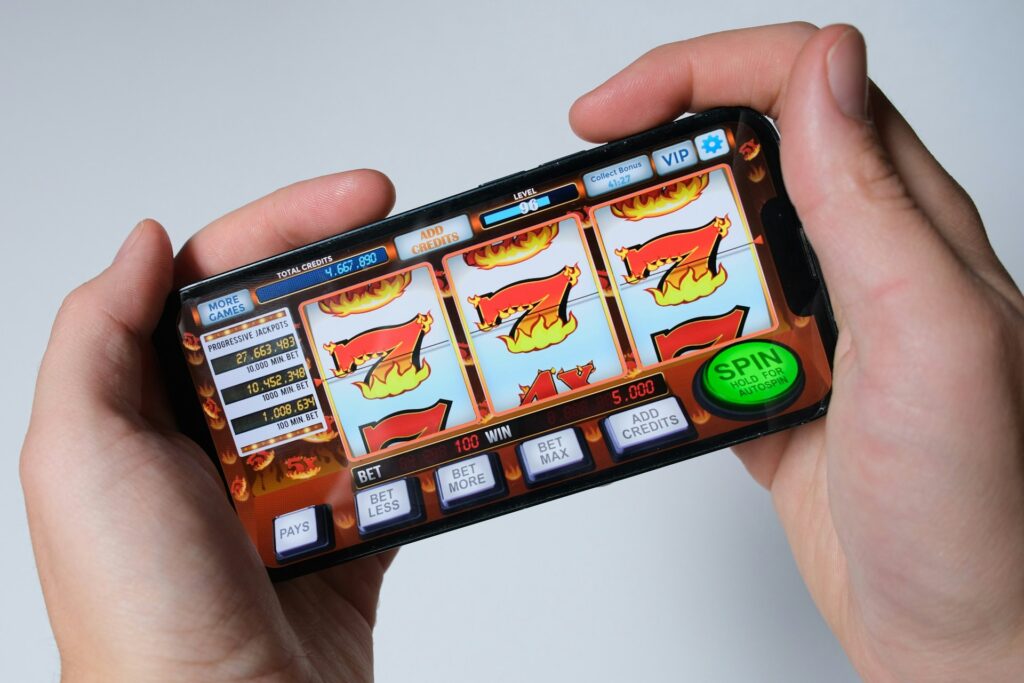
Over the last few years, multiple U.S. states—including New Jersey, Pennsylvania, Michigan, and Connecticut—have legalized regulated online casino gaming. That industry exceeded USD 10 billion in 2023 and continues to grow as more adults seek accessible leisure that fits unpredictable schedules. Among the biggest draws are online slots, digital versions of classic machines that rely on certified random number generators.
Why do slot games resonate with adult players?
- Simplicity – Unlike sprawling open-world video games, slots have a near-zero learning curve. You can play for a few minutes between meetings or during a commute.
- Customization – Themes range from ancient mythology to pop culture. This variety turns each session into a mini story.
- Micro-breaks – Spinning the reels provides a quick dopamine hit, mirroring the pleasure loop of mobile puzzles while still feeling distinctly “casino.”
- Gamification – Loyalty tiers, achievements, and seasonal events satisfy the adult appetite for progression without becoming a second job.
Critically, regulated platforms in the U.S. incorporate responsible-gaming tools—deposit limits, self-exclusion options, and mandatory verification—that help players keep sessions enjoyable. Treat online slots as one tile in a broader leisure mosaic, not the entire board.
How Play Rewires the Brain
Neuroscientists emphasize that mental stimulation must be novel to drive plasticity. If you always choose the same Netflix genre or jog the identical route, your brain coasts. Try learning a new tabletop game, experimenting with 3-D printing, or exploring themed online slot tournaments you have never entered. Each fresh rule set or reward structure forces the brain to update predictions, strengthening attention and memory circuits.
Furthermore, play frequently pairs movement or sensory input with problem-solving—throwing a Frisbee, painting miniatures, strategizing a Texas Hold’em hand. That cross-modal engagement recruits multiple neural networks simultaneously, making the resulting connections more durable. Think of playful learning as compound interest for your gray matter.
From Passivity to Engagement: Swapping Doom-Scrolling for Active Play
The American Time Use Survey shows adults spend more leisure minutes watching television than anything else. Passive consumption can provide short-term relaxation, but it rarely yields the energizing benefits of active play. Even a ten-minute session of brain-teasing or creative experimentation can outperform an hour of background streaming when it comes to mood and cognition.
Strategies to shift toward active play:
- Set mini-challenges – Replace one evening sitcom with a cooperative board game or timed crossword.
- Password-protect streaming apps – The extra friction reminds you to choose entertainment intentionally.
- Use tech for good – Calendar reminders labeled “recess” nudge you to launch your favorite indie puzzler or spin a few online slots during authorized breaks, not during half-awake doom-scrolling.
Building Your Personal Play Protocol
Re-introducing play does not require deleting your to-do list; it requires redesigning it.
- Audit your week. Identify 15- to 30-minute pockets that often drift into unstructured phone time. These are prime slots—no pun intended—for deliberate play.
- Mix your modes. Aim for a balance of:
- Physical play – dance, recreational sports, VR movement games.
- Creative play – sketching, musical improvisation, LEGO projects.
- Strategic/digital play – co-op video games, online slots, escape-room apps.
- Set boundaries. If you enjoy wagering, decide ahead of time how much money and time you are willing to spend on online slots. Use platform limit tools and walk away after reaching either threshold.
- Invite others. Play is often social glue. Organize a monthly board-game night or a rotating online poker table to strengthen connections.
- Reflect. After each session, notice energy and mood shifts. That feedback loop makes it easier to prioritize play without guilt.
Frequently Asked Questions About Adult Play
Isn’t play a luxury when I’m already stretched thin?
The data suggest the opposite. Short play breaks reduce cortisol, sharpen focus, and can make the remaining hours of work more productive.
What if I don’t like “games” in the traditional sense?
Play is any voluntary, joy-based exploration. Cooking a recipe purely to experiment with flavors, building a terrarium, or choreographing a TikTok dance all count.
How can I keep online slots from becoming a habit?
Stick to licensed U.S. platforms that enforce age and identity checks, use built-in timeout tools, and treat the activity like a movie ticket—fun, finite, and pre-budgeted.
Will playing video games or online slots really help my brain?
Studies on neuroplasticity indicate that novelty and challenge matter more than the medium. As long as the game is engaging and varied, yes, it can be beneficial in moderation.
The Takeaway: Permission Granted
Childhood taught us that play is the gateway to learning, resilience, and friendship. Biology never rescinded that lesson; culture simply distracted us from it. In an era marked by workplace churn, mental health struggles, and endless digital noise, carving out intentional playtime is a radical act of self-care. Whether you find joy in trail running, tinkering with tabletop miniatures, or spinning a few rounds of online slots after dinner, the prescription is the same: Choose activities that spark curiosity, set clear boundaries, and savor the process. Your younger self would approve—and your adult self will thank you.