
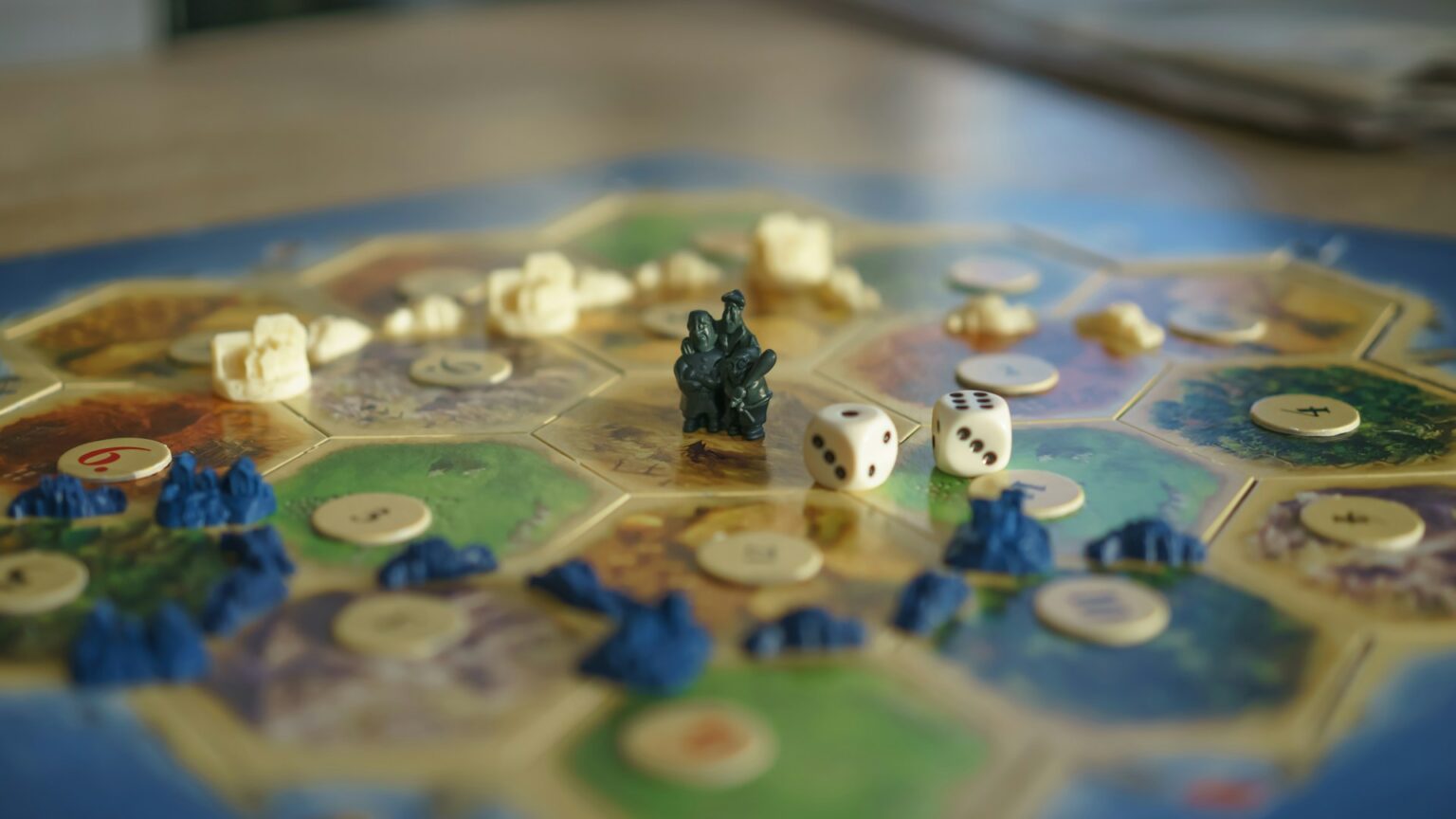
From 8-bit cartridges to sprawling open-world adventures, video games have come a long way in the past four decades. Today, 65 % of American adults play games regularly, according to the Entertainment Software Association. What was once dismissed as a diversion is now studied in university labs, featured in primetime esports tournaments, and integrated into the rapidly growing markets of crypto casino gambling and esports betting sites.
Behind the flashing graphics and competitive banter lies an important truth: games train the brain. Whether you’re calling shots in a real-time strategy match or timing a perfect parry in an action title, you’re exercising the very mental muscles responsible for focus and long-range planning. Below, we dive into the science, the practical takeaways, and the real-world implications of gaming’s cognitive benefits.
The Cognitive Foundations: What “Focus” and “Strategic Thinking” Really Mean
Executive Functions
Focus is more than simply staring at a screen—it is a set of executive functions that help you filter distractions, remember immediate goals, and adjust to new information. Working memory, inhibitory control, and mental flexibility are core elements, and games continually challenge all three.
Strategic Thinking
Strategic thinking is the ability to map out a long-term objective, weigh multiple variables, anticipate obstacles, and create contingency plans. Complex games, especially those with shifting win conditions, mimic real-world strategic environments remarkably well.
Flow State
Gamers often describe being “in the zone.” Psychologists call it flow—a state of total immersion where focus peaks and time seems to vanish. Flow is a sweet spot for learning because it balances difficulty and skill, nudging players to stretch their cognitive capacity without frustration.
The Evidence: How Games Upgrade Mental Performance
1. Faster Decision-Making Without Sacrificing Accuracy
A University of Rochester study found that players of fast-paced action games make decisions up to 25 % faster than non-gamers, while maintaining comparable accuracy. Split-second choices under pressure are crucial, whether you’re clearing a boss fight, initiating a team fight in esports, or executing a high-stakes trade in the stock market.
2. Memory Enhancement
Researchers at the University of California, Irvine, showed that 3D adventure games boost memory formation by roughly 12 %. Navigating intricate maps and recalling quest details stimulate the hippocampus, the same brain area that forms real-life memories.
3. Intelligence Gains in Youth
A 2022 study in Scientific Reports that followed over 5,000 children reported an average gain of 2.5 IQ points among those who spent more time gaming between ages 10 and 12. While IQ is only one measure of cognition, the finding underscores gaming’s potential as a developmental tool.
4. Constant Adaptive Challenge Through AI
AI opponents are no longer predictable. Systems like DeepMind’s AlphaStar—which defeated professional StarCraft II players—force humans to rethink and refine strategies in real time. This continuous adaptation trains cognitive flexibility, arguably the heart of strategic prowess.
Genres That Best Sharpen Focus and Strategy
Not every game yields the same cognitive payoff. Below are genres linked to distinct benefits:
- Action Shooters: Rapid target acquisition, hand-eye coordination, and quick decisions.
- Real-Time Strategy (RTS): Long-range planning, resource allocation, and multitasking across multiple battlefronts.
- Multiplayer Online Battle Arenas (MOBA): Team coordination, situational awareness, and reading opponents’ intent.
- Turn-Based Strategy & 4X: Deliberate planning, logical sequencing, and risk assessment over extended time horizons.
- Puzzle & Simulation: Pattern recognition, optimization, and incremental problem-solving.
Why Universities and Researchers Take Esports Seriously
Institutions such as the University of California, Irvine (UCI) and Boise State University operate dedicated esports programs. Their labs analyze how elite players manage focus, track in-game metrics like attention shifts per minute, and translate these findings into broader cognitive science. The academic spotlight gives empirical weight to the idea that high-level gaming is a perfect crucible for refining strategic thinking.
The Real-World Spillover: From the Screen to Daily Life
Game-trained skills often transfer into everyday contexts:
- Workplace Efficiency: Multitasking across chat, email, and project management mirrors juggling objectives in an RTS match.
- STEM Learning: Pattern recognition and spatial reasoning gained in puzzle and sandbox games align with engineering and programming tasks.
- Stress Management: Handling in-game crisis events builds emotional regulation, useful in high-pressure jobs like emergency medicine or finance.
Gambling’s New Frontier: Skill-Based Wagering and Crypto Integration
Esports Betting Sites Depend on Strategy Savvy
As esports viewership in the U.S. grows into the tens of millions, wagering on tournament outcomes has become a thriving niche. Unlike traditional sports, esports titles can change dramatically with patches, new characters, or evolving “meta” strategies. Bettors who understand these nuances can make more informed predictions, highlighting how strategic literacy directly affects expected value on esports betting sites.
Crypto Casino Platforms and Skill Games
The rise of blockchain-based gambling introduced the crypto casino, where deposits and payouts occur in Bitcoin, Ethereum, or other digital currencies. Many of these platforms have begun offering skill-based games—think real-time poker variants or puzzle competitions. The payout isn’t purely luck driven; your mastery of focus and strategy has tangible financial consequences.
This blending of skill and wagering does more than refresh the online casino experience. It validates the mental discipline honed in typical gaming sessions, creating a loop whereby gamers translate cognitive talents into potential earnings—provided they bet responsibly.
How to Harness Gaming for Better Focus and Strategy
- Choose Games With Intent
Opt for genres that challenge the specific skills you want to build. If multitasking is the goal, a base-building RTS works better than a casual endless runner. - Set Measurable Goals
Track metrics: actions per minute, win/loss ratio, or puzzle-completion times. Data gives objective feedback, mirroring real-world performance reviews. - Embrace Deliberate Practice
Break complex skills into chunks. In a MOBA, you might isolate last-hitting minions for five matches before moving on to map control. - Review and Reflect
Many esports athletes rewatch their own replays. Pausing to examine decisions deepens strategic insight and uncovers blind spots. - Maintain Balance
Focus improves with rest. Mix play sessions with physical exercise, healthy sleep, and social interaction to avoid burnout.
Warning Lights: When Gaming Hinders More Than It Helps

Moderation matters. Excessive gaming can create the opposite of focus—mental fatigue, disrupted sleep, and neglect of real-world duties. Use simple guidelines:
- Set a daily limit aligned with responsibilities.
- Employ blue-light filters to reduce eye strain.
- Take five-minute breaks every hour to stretch and hydrate.
Future Outlook: A Symbiotic Rise of Gaming, Betting, and Cognitive Science
Three trends are converging:
- Technological Complexity—AI opponents and procedural generation keep games fresh, demanding perpetual strategic evolution.
- Academic Validation—University programs are turning esports arenas into controlled labs, solidifying gaming’s place in cognitive research.
- Market Integration—As the global crypto gambling sector grows at an estimated 12 % CAGR, and the esports betting market heads toward a $25 billion valuation, focus and strategy skills gain new economic relevance.
These forces suggest a future where gaming’s mental dividends will be even more valuable—both in the workplace and on platforms that offer real-money competition.
Key Takeaways
- Action and strategy games accelerate decision-making and expand working memory.
- Training against AI and in competitive esports hones cognitive flexibility.
- Skills developed in games translate to academic, professional, and wagering contexts.
- Crypto casino sites and esports betting sites reward players who bring disciplined focus and strategic depth.
- Mindful, goal-oriented play maximizes benefits and minimizes potential downsides.
Conclusion
Gaming is no longer a pastime to hide from your résumé. In the United States, where most adults already reach for a controller or smartphone, it offers a surprisingly effective workout for the brain. When approached deliberately, the virtual battlefield teaches real-world focus, strategic foresight, and rapid decision-making—skills that are increasingly valuable in high-pressure jobs, academic research, and emerging betting ecosystems alike.
So the next time you queue for a ranked match or puzzle run, remember: you’re not just playing. You’re training your mind for whatever strategic challenge comes next—be it climbing an esports leaderboard, betting smart on your favorite team, or navigating the latest innovations of a crypto-powered casino floor.