

Scroll through your favourite mobile game, a social media feed, or an online slot and you will notice a common design language: progress bars that fill, coins that chime, badges that sparkle, and—most of all—frequent little rewards. These “small wins” are not just decorative fireworks; they are a carefully engineered economic engine. In the Dutch online-casino market, where recent regulations make player retention more important than blanket advertising, understanding the economics of fun has become a strategic necessity for operators and an eye-opener for players.
Why Small Wins Matter
Behavioural economics tells us that humans are highly sensitive to feedback. Even a tiny, unexpected reward can produce a burst of dopamine strong enough to nudge us into repeating the behaviour that triggered it. In a casino context these rewards are literal—chips, coins, free-spin rounds—but the same principle drives loyalty points in a coffee app or likes on a social post. The key mechanisms are:
- Variable Ratio Reinforcement. A reward arrives on an unpredictable schedule (e.g., “one of these spins might hit”). That uncertainty produces a steady, persistent response rate.
- Loss Aversion. Small wins soften the sting of losses, making the overall experience feel more positive than the balance sheet might show.
- Near-Miss Effect. Coming close to a jackpot—two cherries instead of three—keeps motivation high even when technically nothing was won.
Put together, these mechanics create a flywheel of engagement that converts casual curiosity into prolonged play time, and eventually, revenue.
The Dutch Market in Numbers
The Netherlands legalised online gambling in October 2021, and the first full calendar year of regulation already paints a clear picture of growth fueled by fun:
- €1.08 billion in Gross Gaming Revenue (GGR) was generated in 2022 (Kansspelautoriteit Monitoring Report).
- Roughly 1 in 20 adults (about 858,000 accounts) had an active profile with a licensed operator by late 2022.
- Slot-machine research published in the Journal of Gambling Studies shows that games offering lower volatility—meaning more frequent, smaller payouts—encourage longer sessions even when Return to Player (RTP) is identical.
These data points illustrate how important the “little and often” reward structure has become. While billion-euro GGR headlines grab attention, the real engine is the aggregate of micro-wins churned out every few seconds across thousands of devices.
How Online Platforms Build Their Small-Win Economy
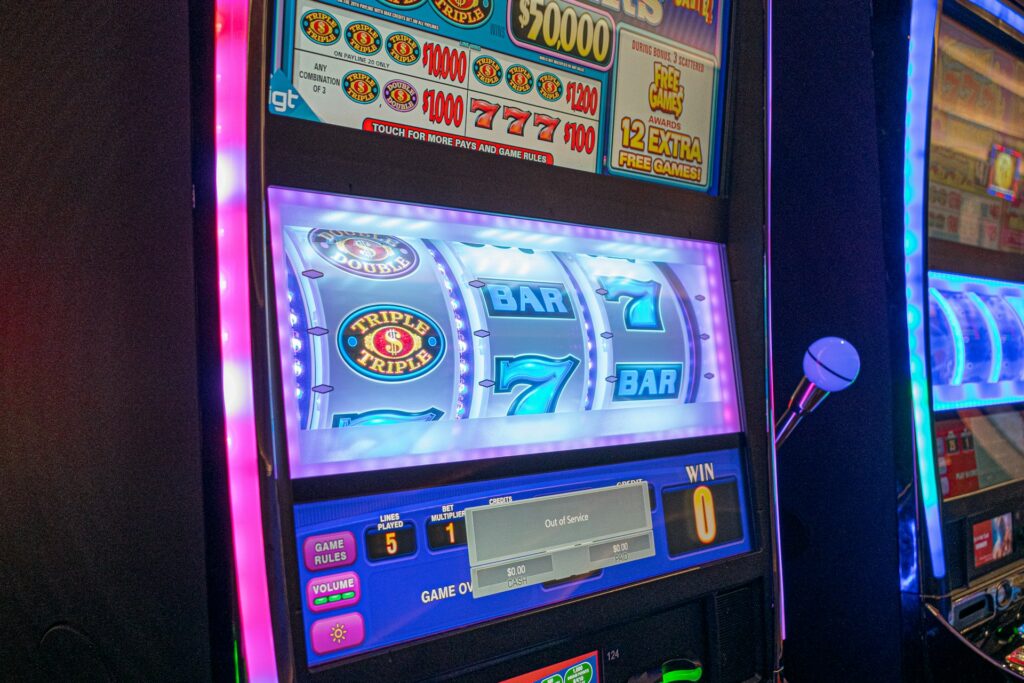
1. Slot Game Design
A modern video slot contains hundreds of micro-moments, from basic line wins to complex bonus rounds. Providers program an RTP—say, 96 percent—yet the experience is anything but linear. One spin might pay €0.10, another €3, then seventy spins later a feature triggers a free-spin spree worth €30. Each event, large or small, is a reinforcement touchpoint.
2. Gamification Layers
Outside the reels themselves, operators stack additional “meta-games” on top:
- Daily Login Rewards. A tiny free-spin package for showing up each day extends engagement streaks.
- Loyalty Tiers. Progress bars toward Silver, Gold, or Platinum status combine social signalling with tangible perks like higher withdrawal limits or cashback.
- Achievements & Missions. Complete 100 spins on an Egyptian-themed slot, or land three scatter symbols twice in a day—micro-tasks add fresh short-term goals.
These design choices transform what could be a single, isolated gambling session into an ongoing hobby with clear progress markers.
3. Personalised Bonus Delivery
Because the Dutch Gambling Authority (KSA) restricts broad advertising, licensed sites now invest heavily in algorithmic segmentation. A player who enjoys low-volatility games might receive a 20-percent reload bonus capped at €25, nudging them to keep exploring similar small-win experiences. Someone chasing jackpots may be offered a handful of free “Megaways” spins instead. Personalisation keeps rewards relevant and perceived value high.
Case in Point: Established Brands in a New Arena
Legacy land-based names have had to translate brick-and-mortar trust into digital delight. The online arm of Holland casino integrates live-dealer streams that mimic the social buzz of its physical floors, but it also bundles in mission-style promotions that award free sports bets or slot spins for completing simple tasks. Meanwhile, Toto casino, historically known for sports betting, uses cross-vertical bonuses—win a small accumulator, unlock spins on a partner slot—to weave constant “pay-offs” throughout a customer’s visit. In both cases, the companies’ ability to sprinkle small wins across multiple products determines whether players will stick around in a market where mass-media ads are virtually off-limits.
Regulation: Fun vs. Responsibility
While small wins extend play time, regulators worry about excessive engagement. Throughout 2023 the KSA intensified its oversight of operators’ zorgplicht—the duty of care. Platforms must monitor behavioural data (session length, deposit frequency, chasing losses) and intervene when risk patterns emerge. Failure to do so can lead to substantial fines.
This creates an interesting paradox: the very mechanics that drive commercial success—variable rewards, near misses, streak bonuses—must be balanced by tools that slow players down when necessary. Many providers now incorporate:
- Reality Checks. Pop-up timers reminding users how long they have been playing.
- Deposit & Loss Limits. Self-imposed or account-level ceilings that cap financial exposure.
- Break or Cool-off Functions. One-click to lock an account for 24 hours or more.
The economics of fun, therefore, now include the cost of compliance technology—AI models that spot risk, customer-service training, and responsible-gaming dashboards—to keep the small-win engine sustainable.
Beyond Casinos: Small-Win Design Spreads Across Entertainment

The “small-wins” blueprint has migrated far beyond roulette wheels and slot reels:
- Mobile Games. Titles like Candy Crush limit lives, then hand out free ones on timers, mimicking casino reload bonuses.
- Streaming Platforms. Weekly “top 10 in the Netherlands” badges give viewers a bite-sized sense of discovery and progress.
- Fitness Apps. Hitting a daily step goal triggers confetti animations and pushes users to maintain streaks.
The underlying economics remain identical: rather than one colossal payoff, a steady dribble of small reinforcements encourages continued investment of time (and eventually money, via microtransactions or subscriptions). Global consultancy Grand View Research projects the entire online gambling sector to grow at a 11.7 percent CAGR to 2030, partly because other entertainment verticals copy its high-engagement playbook (Grand View Research).
Designing for Dutch Players: Cultural and Legal Nuances
The Netherlands has some unique characteristics worth noting:
- High Digital Literacy. Dutch consumers are comfortable with online banking and e-commerce, lowering friction for deposits and withdrawals.
- Strict Advertising Rules. As of July 2023, untargeted gambling ads are banned (KSA advertising rules). This intensifies the importance of on-platform engagement.
- Social Pragmatism. Dutch players often view gambling as entertainment rather than a get-rich scheme. Designing low-stakes, small-win experiences fits that mindset.
Operators who respect these nuances—by offering clear RTP information, robust self-exclusion tools, and transparent bonus terms—are winning trust. Trust in turn amplifies the effect of each small reward because players feel comfortable reinvesting their winnings instead of cashing out immediately.
Metrics That Matter in the Small-Win Economy
Traditional casino KPIs such as Average Revenue per User (ARPU) still matter, but the small-win paradigm adds new layers:
- Session Count per Active Day. Frequent, shorter sessions suggest successful micro-reward hooks.
- Feature Engagement Rate. The percentage of spins reaching a bonus round. A well-calibrated rate (often 1/50 to 1/100) maintains excitement without inflating pay-outs excessively.
- Loyalty Tier Advancement Time. How long it takes for a new player to hit the first meaningful status tier, a proxy for perceived progress.
- Responsible-Gaming Flags vs. Interventions. Low false-positive rates indicate that the platform can reconcile engagement with duty of care.
Future Trends: Where Will the Next Small Wins Come From?

Three developments are worth watching:
- Skill-Based Bonus Rounds. Mini-games that require player decisions (e.g., picking mystery boxes) introduce a sense of agency, evolving the passive spin model.
- Cross-Vertical Ecosystems. Loyalty points earned on sports bets at Toto casino might soon unlock perks in a partnered e-sports fantasy league, creating an all-in-one reward loop.
- On-Chain Transparency. Blockchain technology could let players verify RTP and payout history in real time, building trust while keeping the same reinforcement rhythms.
Each innovation will still revolve around the same psychological nucleus: frequent, bite-sized feedback that nudges us to come back for more.
Takeaways for Players
Understanding the economics of fun arms players with valuable perspective:
- Recognise that frequent small wins are engineered to feel good; track your net position, not just the wins.
- Set time or loss limits before you start playing; it is easier to decide rationally when dopamine levels are baseline.
- Use the responsible-gaming features every Dutch-licensed site must provide—cool-offs, reality checks, and deposit caps are built for a reason.
Takeaways for Operators
For operators, especially legacy brands such as Holland casino, the message is equally clear: the market is moving from broad advertising blasts to granular, experience-led economics. Sustainably profitable growth depends on designing small-win journeys that delight without exploiting, backed by sophisticated analytics and a visible commitment to player wellbeing.
Conclusion
The economics of fun is a balancing act between psychology, mathematics, and regulation. Small wins—those satisfying flashes of reward—sit at its core, quietly shaping multibillion-euro entertainment ecosystems. Whether you are a Dutch player spinning a low-volatility slot, a product manager tuning bonus-round frequency, or simply someone curious about why a harmless achievement badge feels so good, the underlying principle is the same: tiny victories add up. In the Netherlands’ tightly regulated yet rapidly expanding online-casino market, mastering this principle is not just a game—it is the entire playing field.