
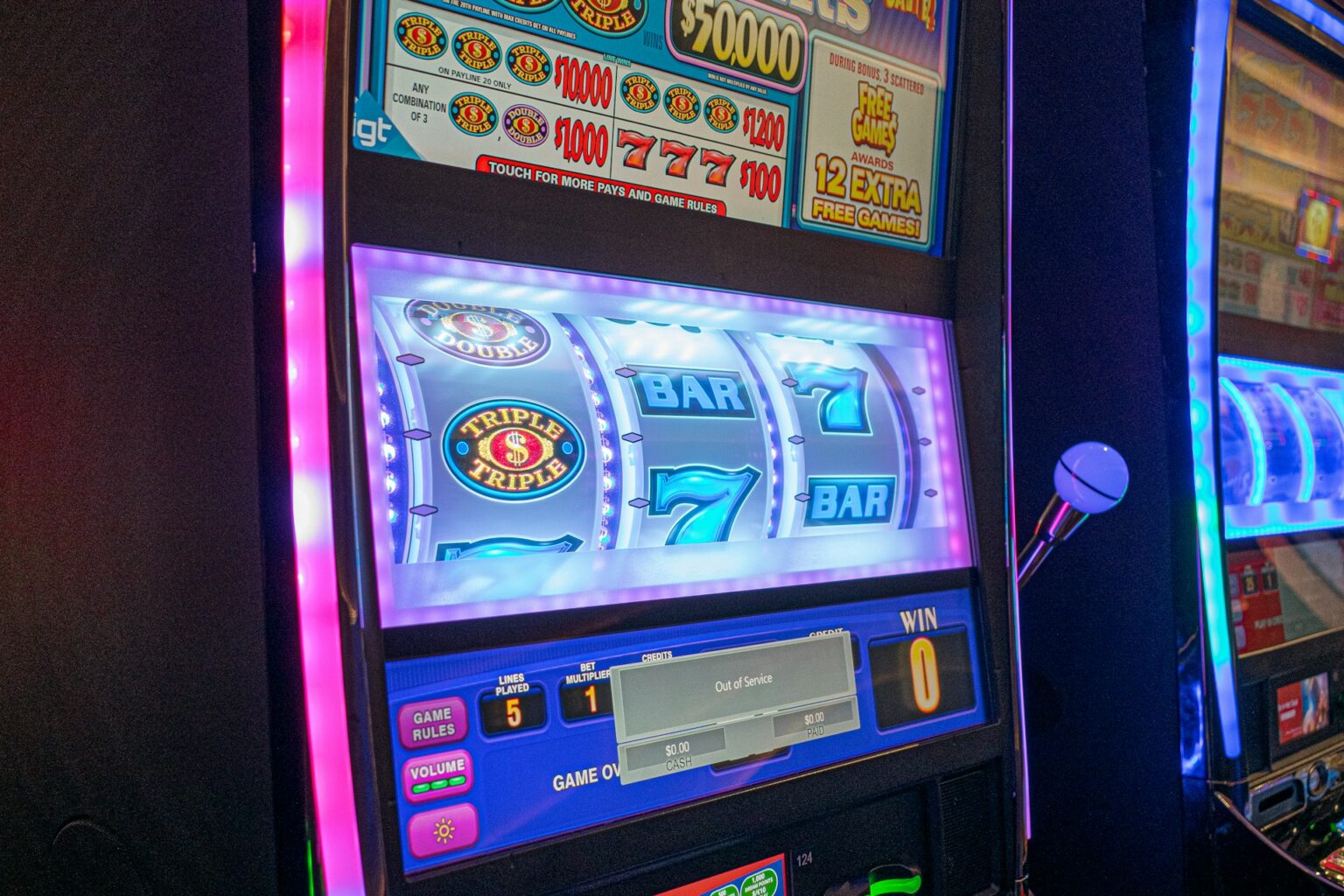
Walk through the centre of Amsterdam on a Friday night and you will see two very different pictures of modern gambling. One is the bright façade of a brick-and-mortar casino, promising a night out with friends, drinks and the tactile feel of chips sliding across a table. The other is much more discreet: thousands of players tapping their phones on the tram, spinning a slot or placing a hand of blackjack online. Both worlds are legal, regulated and popular in the Netherlands, yet they offer distinct experiences—especially now that the Dutch market has had more than three full years of regulated online play.
This article explores the key differences between online and land-based casinos in 2025, touching on regulations, game variety, player protection, technology and the all-important “night out” factor. Whether you are a curious newcomer, a devoted visitor to Jacks Casino or an online regular, understanding these contrasts can help you choose your best way to play.
Regulation: Same Watchdog, Different Rules
Since October 2021, the Kansspelautoriteit (KSA) has licensed and monitored online operators with the same rigour it applies to traditional venues. Yet the day-to-day rules players feel are notably different.
- Online oversight uses data. Every spin, hand or sports bet online is time-stamped and stored. From 2024, operators must feed this data into automated systems that flag unusual behaviour—long sessions, rapid deposits, erratic wagering—triggering proactive interventions in minutes, not hours.
- Land-based relies on people. In a physical casino, staff observe players in real time. Intervention still happens, but it is based on conversation and judgement calls. The system works, but it cannot match the granularity of online analytics.
- Self-exclusion is universal. Both channels plug into CRUKS, the nationwide register that blocks excluded players from the door of a casino and from the login screen of an online site. More than 68,000 Dutch residents now make use of this safeguard.
The outcome is a stricter, more data-driven safety net online, with the same ultimate back-stop—CRUKS—available everywhere.
The Advertising Landscape Has Flipped

In July 2023, a ban on untargeted gambling advertising reshaped Dutch marketing. By 2025, its effects are clear:
- Online-only brands have gone quiet on TV and radio. Without mass-media ads, they rely heavily on affiliates, search optimisation and personalised marketing to existing customers.
- Land-based names enjoy natural visibility. Well-known high-street brands such as Jacks Casino benefit from foot traffic and brand familiarity born of years in Dutch city centres.
For the player, this means fewer flashy commercials and more digital touch-points: push notifications, loyalty emails and app banners. The shift pushes operators—especially online platforms—to invest in retention and responsible marketing rather than broad acquisition. (See the KSA monitoring report for details).
Game Variety and RTP: The Numbers Tell a Story
One scroll through an online lobby reveals thousands of slot titles, multiple variants of blackjack and poker, instant-win games, and live dealer tables broadcasting 24/7. Land-based casinos, limited by floor space and staffing, cannot compete on sheer quantity—but numbers are not the whole picture.
| Aspect | Online | Land-Based |
| Average slots on offer | 1000+ per licensed site | 100–400 per property |
| Typical slot RTP | 95–98% | 88–92% |
| Table game variants | Dozens, incl. hybrid titles | Classic roulette, blackjack, punto banco |
Higher RTP percentages online stem from lower overheads and the use of RNG software. For the mathematically minded player, that difference of a few percentage points can translate into longer bankroll duration. In a physical casino, the trade-off is atmosphere: real croupiers, clinking chips and a celebratory buzz that no phone speaker can fully replicate.
Live Dealer Studios Blur the Line
Live dealer games occupy a middle ground. A human shuffles the cards in a studio, while players tap decisions on their phones. In 2025, Dutch-facing operators stream from purpose-built studios in neighbouring EU countries, complying with KSA licence rules. Multiple camera angles, 4K streaming and chat functions allow for real-time interaction with both dealer and fellow players.
This hybrid experience delivers social engagement to the living room, though you still pour your own drink. For players living outside major cities, it shrinks the distance to the casino floor. Yet, many enthusiasts insist the rush of a live roulette spin at a physical wheel—surrounded by cheers—remains unbeatable.
Payment Speed and Flexibility
Money movement is an area where online wins outright in 2025:
- Instant iDEAL deposits: Over 95% of Dutch online players use iDEAL, sending funds to their account within seconds.
- Rapid withdrawals: Most KSA-licensed sites process payouts back to a bank account in under one hour, thanks to automated KYC and risk checks.
- Land-based limitations: Physical venues still require cash buy-ins for chips or a payment card at the cashier cage. Payouts above €2,000 involve ID checks and, sometimes, a wait.
While new cashless ticket-in ticket-out (TITO) systems appear in Dutch slot halls, carrying chips or tickets around the floor remains part of the tactile experience—something digital-first players actually find nostalgic and fun.
Omnichannel Loyalty Becomes Reality
In 2025, large brands run both online sites and physical locations under a single umbrella. Their goal is clear: reward you whether you spin a slot on your lunch break or visit on Saturday night.
An example is Jacks Casino, which offers unified loyalty points across its arcades and its licensed online platform. Play €1 online, earn points; insert a loyalty card at a land-based slot, earn points. Redeemable perks include bonus credit, hotel discounts or invitations to exclusive events. The border between the two channels blurs further each year, though the social ambience of walking into a property still stands apart.
Social Interaction: People vs. Screens
Every gambler values the buzz of a win, but how that buzz is shared changes depending on the channel.
- Land-based vibe: Physical casinos deliver eye contact, group celebrations and the spontaneous “Let’s grab a drink” moment. Table etiquette, dealer banter and the ringing of a slot jackpot create a sensory tapestry impossible to digitise fully.
- Online community: Chat boxes and emojis generate community, especially in live dealer rooms or online poker. Yet, interactions are transient and often anonymous, lacking the personal rapport of seeing the same dealer every Friday.
For extroverted players, a venue visit remains a social night out. Players seeking convenience or privacy gravitate to online, with occasional live dealer sessions to add human flavour.

Responsible Gambling Tools: From Gentle Reminder to Hard Stop
The KSA’s tightened duty-of-care guidelines mean that by 2025 online operators must:
- Set mandatory loss, deposit and time limits for all new accounts.
- Send personalised pop-ups after predetermined thresholds, reminding players of session length and spend.
- Escalate to account freezes if risk indicators persist.
The process is algorithmic, consistent and logged for audit. In land-based venues, similar limits exist in principle, but enforcement relies on staff recognising warning signs and starting a conversation. Technology aids the floor staff—membership cards track play time—but interventions are necessarily more human, less instant.
Market Size and Demographics: A Delicate Balance
Gross Gaming Revenue in 2023 hit €1.39 billion online, still behind the €2 billion generated by the land-based sector in 2022 but growing fast. Notably, the youngest adult cohort (18–23) accounts for a sizable 22% of online accounts yet contributes less revenue proportionally, suggesting lighter, recreational play.
In bricks-and-mortar venues, the clientele skews older—those who value an evening out. Operators see opportunity in attracting younger guests with modernised interiors, influencer-hosted events and app-based loyalty, effectively blending digital with physical to remain relevant.
What Does the Future Hold?
Several trends suggest how the Dutch landscape will evolve beyond 2025:
- Enhanced biometrics. Facial recognition at entrances and for online account login will tighten age verification and self-exclusion adherence.
- VR casino prototypes. Early forms of virtual-reality gaming may deliver a 3D casino floor to your living room, merging social presence with online convenience.
- Tougher sustainability rules. Energy-hungry physical venues will face stricter regulations, nudging operators to green their buildings and slot machines.
Yet one prediction feels safe: both channels will coexist. Players will pick and mix: a quick online spin on Wednesday, a dress-up visit to a flagship property on Saturday. The operators who survive and thrive will be those who foster trust, fair play and a seamless journey between mobile screen and velvet rope.
Conclusion
The online versus land-based debate in 2025 is less a rivalry and more a question of preference, context and mood. Online offers scale, speed and constant access; land-based delivers atmosphere, social engagement and an irreplaceable “night out” feeling. Regulatory frameworks ensure both are safe, though the digital space applies its safeguards with the precision only data can provide.
Whether you sit at a roulette wheel in Rotterdam or hit a live-dealer blackjack table on your tablet, you are part of a Dutch gambling ecosystem where choice has never been richer. The smart move? Know what each channel excels at, set your limits, and enjoy the best of both worlds.
For more on the advertising changes influencing the market, read the coverage by iGamingBusiness (Dutch gambling ad ban comes into force). Stay informed, play responsibly, and may the odds (and the experience) be ever in your favour.