

The Dutch gambling market has changed dramatically since the Remote Gambling Act (KOA) opened the online doors in October 2021. In 2022—the first full calendar year of regulation—licensed internet casinos generated a Gross Gaming Result (GGR) of €1.08 billion, about one-third of the nation’s entire gambling turnover. Land-based halls such as Holland Casino and the many smaller slot arcades still attract millions of visitors, but almost every Dutch player is now confronted with a choice: enjoy the buzz of a physical venue or log in to an online lobby. Below, we explore the real differences between the two experiences, drawing on hard data and the latest Dutch regulations.
Atmosphere, Sensory Impact and Social Interaction
A walk across a terrestrial gaming floor is a multi-sensory event. The jingle of coins, the clatter of chips, the constant movement of people and the décor—often themed, always flashy—create an atmosphere that is difficult to reproduce on a phone or laptop. For some gamblers, the experience of physically touching cards or pulling a lever is part of the entertainment they pay for.
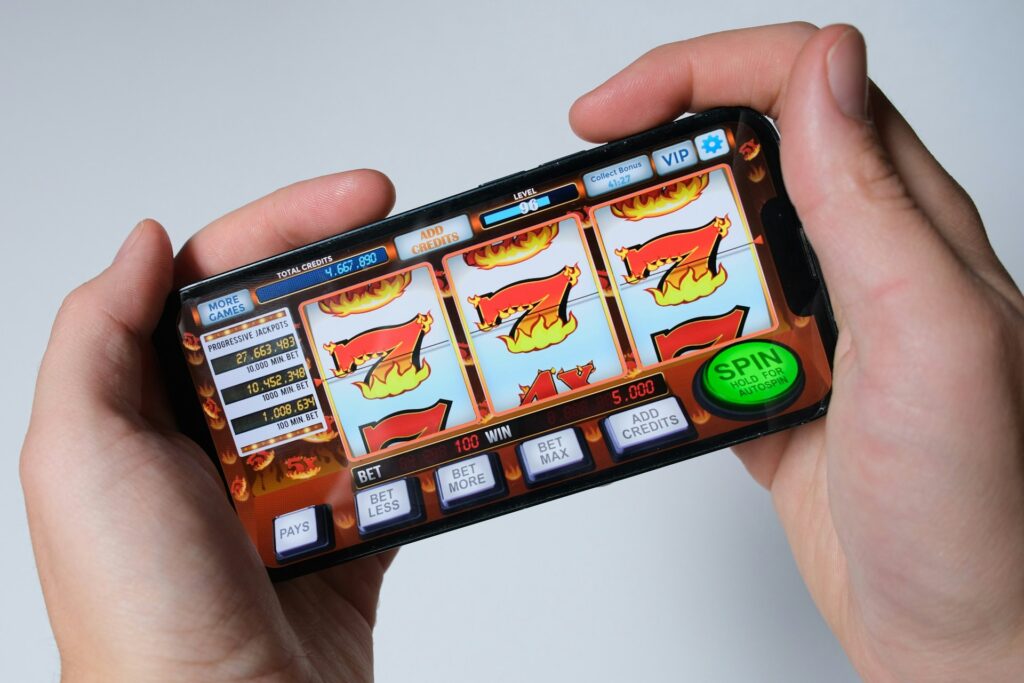
Online casinos trade that physical ambience for comfort and privacy. You can spin a slot in the queue at Schiphol or place a blackjack bet on the couch. Live-dealer studios partly bridge the gap by streaming real tables in HD, but they still lack the collective roar of a roulette crowd when the ball drops. In essence, the land-based model sells an evening out, while the online product sells convenience.
Game Availability and Variety
Floor space is finite, so a bricks-and-mortar venue must prioritise games that bring the highest return per square metre. That normally means popular slots, a handful of card tables, roulette wheels and perhaps a poker room on busy weekends. By contrast, a regulated Dutch online brand might offer thousands of slot titles, dozens of blackjack and roulette variants, instant-win scratch cards, game-show-style wheels and sports betting—all in the same browser tab.
Random Number Generators (RNGs) power these virtual games to ensure outcomes mimic true chance. Because software storage is effectively limitless, operators can add niche titles without worrying about real-estate costs. This long-tail catalogue is a decisive advantage for digital platforms. If you enjoy trying a new slot every session, an online lobby simply serves you better.
Live Dealer Tables
Live roulette, baccarat, and even dice games are conducted by real dealers in a studio and streamed to players. You see the physical wheel, you can chat with the croupier and other players, and bets settle automatically. While this technology narrows the experiential gap, latency, screen size and the absence of table chatter still distinguish it from an in-person experience. Nonetheless, it is the fastest-growing segment of Dutch iGaming revenue.
House Edge, RTP and Bet Limits

Every game has a built-in house edge. Yet the way that edge manifests can feel different offline and online.
- Return to Player (RTP): Slot machines on a casino floor typically post RTPs around 88-92 percent. Online slots often exceed 95 percent. The higher percentages stem from lower overheads; digital operators can afford to give a bit more back.
- Table minimums: A land-based blackjack table might impose a €10 minimum stake because the seat occupies physical space. Online blackjack can go as low as €0.50 per hand, opening the game to recreational budgets.
- Jackpots: Progressive jackpots pool contributions from many players. While both channels can host networked jackpots, online liquidity is borderless, so prize pools tend to be larger and triggered more frequently.
For value-oriented Dutch players, these numerical factors often tilt the preference toward online play. However, some gamblers still accept the lower RTP in exchange for the “night out” factor.
Payment Methods and Cash Handling
In a physical casino you exchange euros for chips and vice versa at the cage. Winnings are immediate, tangible—and sometimes harder to track in your mind. Online, Dutch operators support iDEAL, credit cards, bank transfers and, increasingly, instant payment solutions. Digital ledgers keep realtime balances visible; yet withdrawal times can vary from a few minutes to several business days, depending on verification requirements.
For occasional players who enjoy leaving the casino with cash in hand, the offline route feels more concrete. For those who prioritise electronic wallets and automated budgeting, online banking integrations are superior.
Regulation and Player Protection
Both channels fall under the governance of the Kansspelautoriteit (KSA), but the mechanisms of enforcement differ.
CRUKS Self-Exclusion. Anyone in the Netherlands can register with CRUKS to block themselves from all licensed casinos for at least six months. When you swipe your ID at a land-based entrance or log in online, the system checks the national database. Online platforms apply the block instantly across every game, whereas in a physical venue, surveillance staff must ask a customer to leave if a CRUKS match appears after entry. In practice, digital enforcement is tighter.
Duty of Care. Under the KOA legislation, operators must monitor play for signs of risky behaviour. Online, this is largely automated: algorithms flag high-intensity sessions and can trigger cool-offs or direct contacts from support teams. Land-based staff rely on observation and conversation. Both methods have strengths, but data-driven detection gives online operators an edge in early intervention.
Advertising Restrictions. Since July 2023, untargeted advertising for online gambling is banned on Dutch TV, radio and billboards. Land-based venues still benefit from giant neon signs and permanent street locations. For internet brands visibility now hinges on organic search, affiliates and tailored digital campaigns. The approach reduces exposure to minors, but it also makes the online user experience and responsible marketing practices critical for customer retention.
Demographic Preferences
The KSA’s Spring 2023 monitoring report counted 859,000 active Dutch online accounts—up from 563,000 just months earlier. A European Gaming and Betting Association survey found that 29 percent of Dutch gamblers use online channels exclusively, 39 percent stick to land-based play, and the remaining 32 percent mix the two.
The younger bracket (18-23) contributes 21 percent of online GGR, highlighting that digital natives are more comfortable on smartphones than at a physical roulette table. Yet many of these players still attend a casino for special occasions—think birthdays or a weekend trip to Scheveningen—showing that channel choice is often situational rather than absolute.
Convenience Versus Entertainment Value
Convenience is frequently cited as the online sector’s killer feature. There is no dress code, no closing time and no travel cost. A 15-minute session is feasible. Conversely, a visit to a bricks-and-mortar casino is an “event” involving transportation, perhaps dinner and drinks, and social planning. Dutch consumers often decide based on context: a quick lunchtime spin online, a celebratory evening offline.
Loyalty Programs
Both channels reward repeat play, but execution varies. Physical casinos issue tiered cards that unlock complimentary parking, buffet vouchers or hotel discounts. Online platforms provide cashback, free spins and personalised bonuses delivered by email or push notification. Because digital operators track every spin, rewards can be hyper-targeted.
For example, a regular player at 777 Casino might receive free rounds on their favourite slot every Friday, whereas a land-based customer receives benefits that are less granular but perhaps more tangible.
Game Integrity and Transparency
In a land-based setting, players physically see the action: a wheel turns, cards are dealt. Trust is intuitive. Online games rely on certified RNGs audited by independent labs. Every licensed Dutch site publishes individual game RTPs and testing certificates, which you can verify via the KSA’s seal of approval. Paradoxically, that level of documented transparency often exceeds what a casual visitor observes on a casino floor, though scepticism persists among newcomers to digital play.
Costs Beyond the Wager
Offline gaming involves ancillary expenses: fuel or train fare, parking fees, drinks, meals, maybe hotel stays. These add up, effectively increasing the cost of entertainment. Online gambling eliminates many of these but introduces a different risk: the ease of continuous deposits. Responsible play tools—deposit limits, loss limits, session timers—are therefore essential online and are mandated by Dutch law.
The Emerging Omnichannel Future
The divide between physical and digital is already narrowing. Holland Casino, for example, operates both properties and an online site, allowing loyalty points to cross over. Several European groups are exploring cashless wallets that function inside venues and on mobile apps. When these ecosystems mature, the question will no longer be “online or offline?” but rather which brand offers the most seamless journey between the two realms.
Choosing the Right Channel
For Dutch players weighing their options, consider the following checklist:
- Purpose of Play: Seeking a social night out? A land-based casino may suit you. Looking for a five-minute break after work? Online is unbeatable.
- Budget: Lower minimums and higher RTPs are easier to find online, though high rollers might enjoy the VIP perks of a physical salon privé.
- Travel and Time: Factor in transport and opening hours for offline play.
- Responsible Gambling Tools: Online platforms offer detailed limit settings and real-time data; land-based venues rely more on staff observation.
- Legal Compliance: Ensure any site you use is licensed by the KSA. Check the CRUKS register if you believe you need a cooling-off period.
Conclusion
Physical and online gaming experiences each provide distinct advantages. The lights, sounds and camaraderie of a casino floor cannot be fully digitised. Likewise, the convenience, choice and data-driven safety nets of internet platforms are impossible to replicate in bricks and mortar. Dutch legislation aims to protect consumers in both spaces, and recent advertising curbs will likely push operators to improve product quality rather than rely on broad publicity.
Whether you are testing new slots at 777 Casino, enjoying a live-dealer blackjack round on your tablet, or planning a group outing to one of Holland’s iconic venues, understanding these real differences helps you align your play with your personal preferences and limits. Choose wisely, stay informed, and remember that the best gaming experience is the one that remains fun and responsible.