

It is 18:00, the dinner plates are in the dishwasher, and the skies are slowly turning pastel. Instead of feeling relief, you are already wondering how to fill the next four or five hours before bed. You are not alone. Research from the Netherlands Institute for Social Research shows that Dutch residents enjoy roughly 43.5 hours of leisure time per week, yet many of us still struggle with an evening routine that feels repetitive or uninspired.
The good news is that boredom is not an enemy; psychologists view it as a signal that we crave novelty and challenge. With a small shift in mindset and a handful of practical strategies, you can transform those predictable hours into the highlight of your day. Below you’ll find a roadmap built around three core principles: intentional choice, active engagement, and responsible enjoyment.
1. Identify Why Your Evenings Feel Flat
Before adding new activities, take a moment to pinpoint the underlying cause of your boredom. Most people fall into one or more of these categories:
- Decision fatigue — by 18:00 you have already made hundreds of decisions (work, traffic, family). The easiest option is to default to passive entertainment.
- Lack of novelty — the brain thrives on new stimuli. If Monday looks identical to Tuesday, motivation drops.
- Imbalanced screen time — Statista reports that people in the Netherlands spend almost six hours per day with digital media. When all that time is passive scrolling, it rarely feels rewarding.
Once you know the obstacle, you can tackle it with deliberate action instead of autopilot.
2. Build a Personal “Menu” of Engaging Activities

Restaurants succeed because diners receive a curated menu instead of standing in front of an open fridge wondering what to eat. Copy this logic for your evenings: create a short list of activities that match different moods and energy levels. When 18:00 arrives, simply choose rather than deliberate.
A. Spark Creativity
- Cook outside your comfort zone: Pick a cuisine you have never attempted—Indonesian rijsttafel, Turkish meze, or a Dutch-Indies mash-up. The sensory focus of chopping, seasoning, and plating naturally pulls you into a flow state.
- Micro-art sessions: Invest in a cheap sketch pad or a digital drawing app. Even 15 minutes of doodling lights up problem-solving circuits and reduces stress.
- Write mini-stories: Use a random image online as a prompt and craft a 300-word anecdote. You are not chasing a bestseller; you are exercising imagination.
B. Feed Your Curiosity
- Language in 20 minutes: Choose a language-learning app and squeeze in a lesson right after dinner. Regular, bite-sized sessions stack up quickly, especially if you dream of chatting with locals on your next holiday.
- Documentaries as portals: Swap one sitcom episode for a short documentary about unfamiliar subjects—deep-sea exploration, Dutch water-management or even vintage synthesizers.
- Online micro-courses: Platforms such as Coursera and edX host free modules on coding, design thinking, or psychology. A certificate at the end is a satisfying bonus.
C. Strengthen Social Bonds
- Standing video call: Fix a weekly 20-minute call with a friend who lives in another city. When the slot is in your calendar, the catch-up actually happens.
- Community clubs: Many Dutch towns have language cafés, book groups, or walking meet-ups. Socialising in person breaks the solitary cycle of weeknight television.
- Dinner rotation: Coordinate with two or three neighbours or friends: each person hosts a simple meal once a month. You share the workload and build a sense of community.
3. Gamify Mundane Tasks for Built-In Motivation
Gamification—adding points, levels, or visual progress to everyday tasks—turns chores into challenges. For example:
- Fitness streaks: Turn a 20-minute walk into a step-count battle with a colleague via a fitness app.
- Reading levels: Create a personal “quest” to finish one book from each continent. Colour in a world map as you progress.
- Time-block rewards: Work on household tasks in 25-minute bursts (using the Pomodoro Technique) and reward yourself with a small treat after each session.
By injecting playful mechanics, you slip into a state of focused enjoyment—the same psychological “flow” that game designers aim for.
4. Explore Digital Thrills—Responsibly
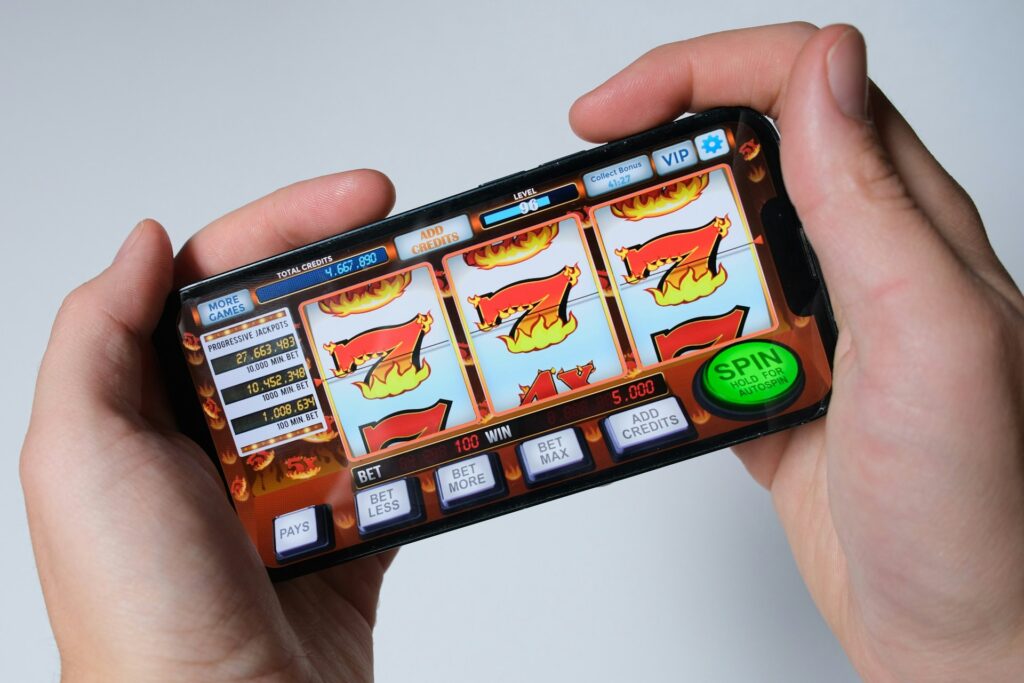
There is nothing wrong with wanting a burst of excitement after a long day, and the regulated Dutch iGaming market offers precisely that. Since October 2021, operators must hold a licence from Kansspelautoriteit (KSA), guaranteeing fair play and consumer protection. For adults seeking interactive entertainment, a vetted platform such as Goldrun Casino delivers colourful graphics, quick rounds, and variety—poker, live dealer tables, or modern slots.
To keep online gaming fun rather than stressful, follow three golden rules derived from responsible-gaming guidelines:
- Pre-set a money limit. Decide your budget before logging in, similar to purchasing a cinema ticket. Most KSA-licensed sites let you set deposit caps or time-outs right from your account dashboard.
- Pre-set a time limit. Use a phone alarm or the platform’s in-game clock to track how long you play. A short, focused session feels refreshing; hour-long marathons rarely do.
- Play for entertainment value. Treat any winnings as a pleasant surprise, not the main goal. Remember that each game has an RTP (return-to-player) percentage, meaning the house retains a mathematical edge over time.
Approached with these boundaries, an occasional session at Goldrun Casino can be the digital equivalent of visiting a lively amusement arcade—bright, social, and brief.
Interested in the regulatory backdrop? The KSA website outlines current licence holders and recent enforcement actions, underscoring why Dutch players should always choose authorised operators.
5. Design a Simple Evening Framework
The final step is to give your new activities a loose structure, so they become habits rather than once-off experiments. Consider the following template—adapt the timings to fit your schedule and household commitments:
| Time | Activity Block |
| 18:00–18:30 | Light clean-up and change into comfortable clothing (signals the shift from work mode). |
| 18:30–19:15 | Nourish: Cook an exploratory recipe, listen to a language podcast while chopping vegetables. |
| 19:15–20:00 | Move: 20-minute walk, short yoga session, or dance-along video. |
| 20:00–21:00 | Create or Learn: Sketching, online course, instrument practice. |
| 21:00–21:30 | Digital Thrill: Quick gaming session (if desired), capped at 30 minutes. |
| 21:30–22:30 | Wind-down: Read fiction, journal progress, prepare for restful sleep. |
You can swap blocks based on mood, but having clear segments prevents the evening from vanishing into an unmemorable blur.
6. Troubleshooting Common Roadblocks
“I start strong on Monday, then slide back to scrolling by Thursday.”
Set micro-goals (e.g., three language lessons per week) and track them on a visible calendar. Seeing streaks build taps into intrinsic motivation.
“I live alone and feel isolated.”
Pair solitary activities with social ones. For example, follow a live online fitness class where you can interact in the chat, or schedule a game night via video call.
“My budget is tight.”
Many high-value activities are free: local library e-books, YouTube instrument tutorials, and KSA-licensed casinos’ demo modes, which allow gameplay with virtual credits before you decide whether to deposit.
Key Takeaways
- Intention beats inertia. Decide ahead of time what you will do after dinner; do not wait for inspiration at 19:00.
- Diversify stimuli. Mix creativity, learning, movement, and social contact to satisfy different psychological needs.
- Inject playfulness. Gamified goals or short, responsible gaming sessions light up the brain and make time feel richer.
- Stay within healthy limits. Whether it is screen time, spending, or snacking, boundaries protect enjoyment.
Conclusion
Evenings no longer have to be a holding pattern until bedtime. When you stock your personal menu with creative projects, social rituals, gamified challenges, and a sprinkle of regulated digital excitement such as a quick spin on Goldrun Casino, the hours after work become an energising part of the day instead of an afterthought. By approaching leisure with as much purpose as you approach work, you will discover that the difference between a boring evening and a memorable one is rarely time—it is always intention.